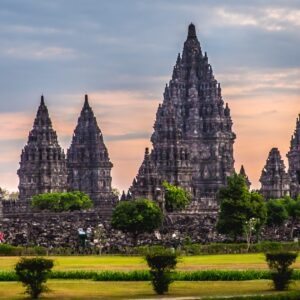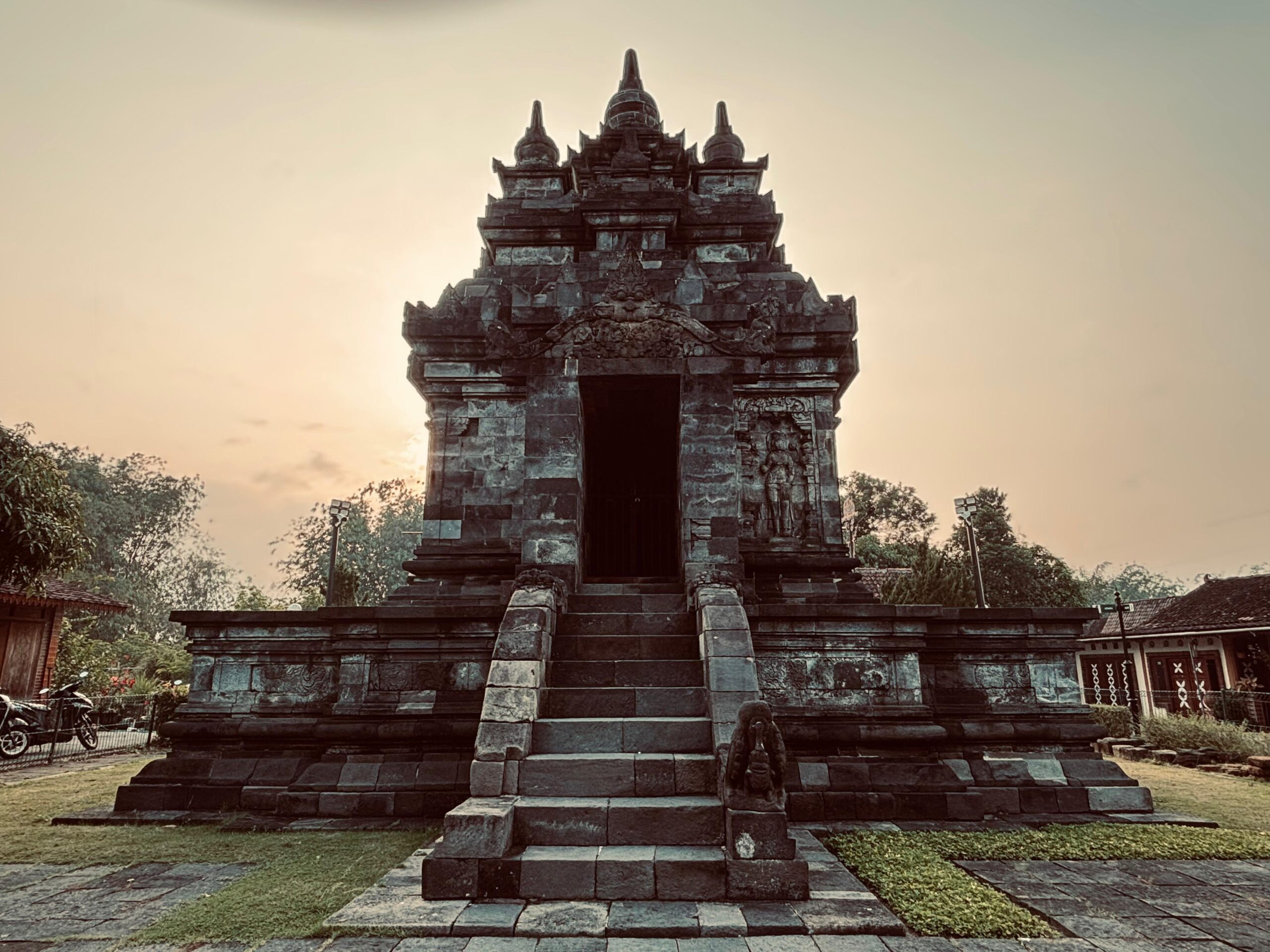
Borobudur steals the spotlight, and rightfully so. Every year, over 3 million travellers wake up before dawn to watch the sun rise over its ancient shrines. But once the light fades and the cameras click, most people head straight back to their hotels… completely missing the next part of the story.
Just down the same sacred line lie Mendut and Pawon, two breathtaking 9th-century temples built by the Sailendra dynasty. Together, they form a spiritual journey that’s been walked for over 1,200 years, yet 90% of visitors never make it there.
But guess the best part of this trip? You don’t need another tour or long trek, both temples can be explored in under two hours. Quiet, elegant, and filled with meaning, Mendut and Pawon are where Borobudur’s magic continues — long after the sunrise ends.
If you’re tired of rushing through temples just to check them off your list, Mendut and Pawon temples are your solution. They offer peaceful exploration without crowds, fascinating Buddhist history, and some of the most beautiful temple carvings in all of Java.
Before we continue to the main topics, please contact us if you need a tour in Yogyakarta City. We have an excellent review by Trip Advisor or by Viator. You may check our tour package in this link : Yogyakarta Tour or YogyakartaTour.com. You can also contact us by send us an email via [email protected] or just simply contact us via whatsapp by pressing the whatsapp button in the right corner.
Let’s look into everything you need to know about these hidden treasures before your visit.
The Fascinating Story Behind Mendut and Pawon Temples
Discover the history, legends, and spiritual significance of Mendut and Pawon Temples along Java’s ancient Buddhist pilgrimage.
Mendut Temple — The Oldest of the Three
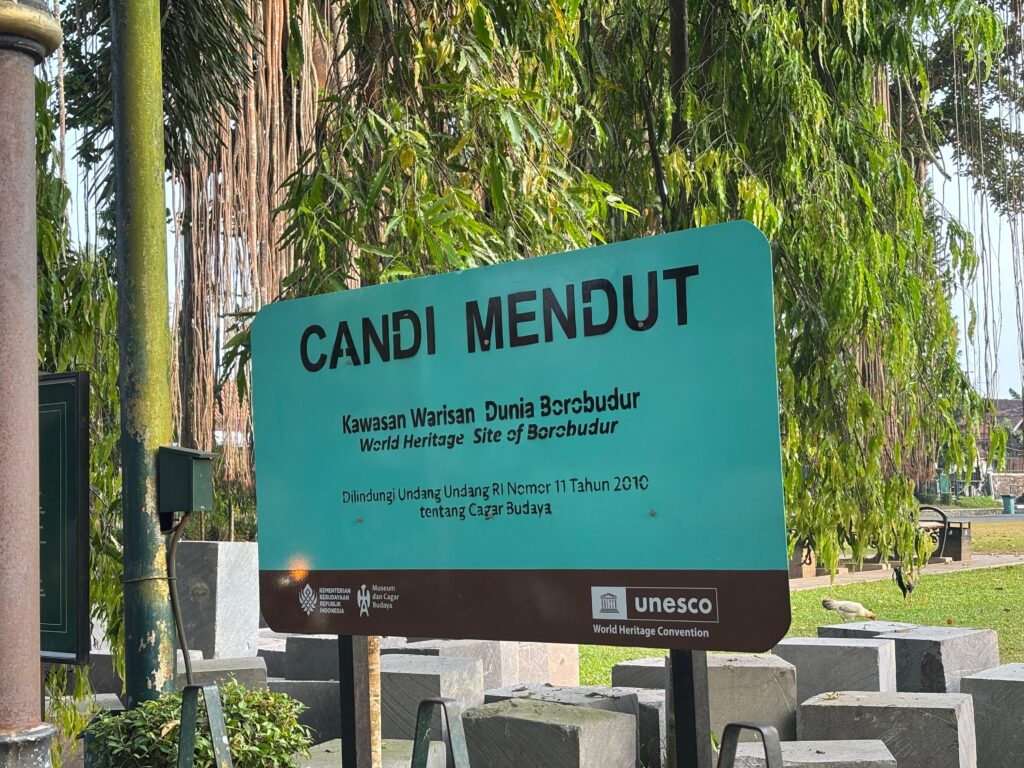
Built in the early 9th century under King Indra of the Sailendra dynasty, Mendut Temple is the oldest among the three temples. Mentioned in the 824 AD Karangtengah inscription as “Venuvana” or “bamboo forest,” it stands 26.4 meters tall and remains a sacred site for Buddhist rituals today.
Inside, three original 9th-century statues — a central seated Buddha and two Bodhisattvas — still stand in remarkable condition, symbolizing enlightenment, compassion, and power. The temple’s architecture reflects classic Mahayana Buddhist design, with detailed bas-reliefs of Jataka tales and Makara statues flanking the stairway.
Pawon Temple — The Sacred Gateway
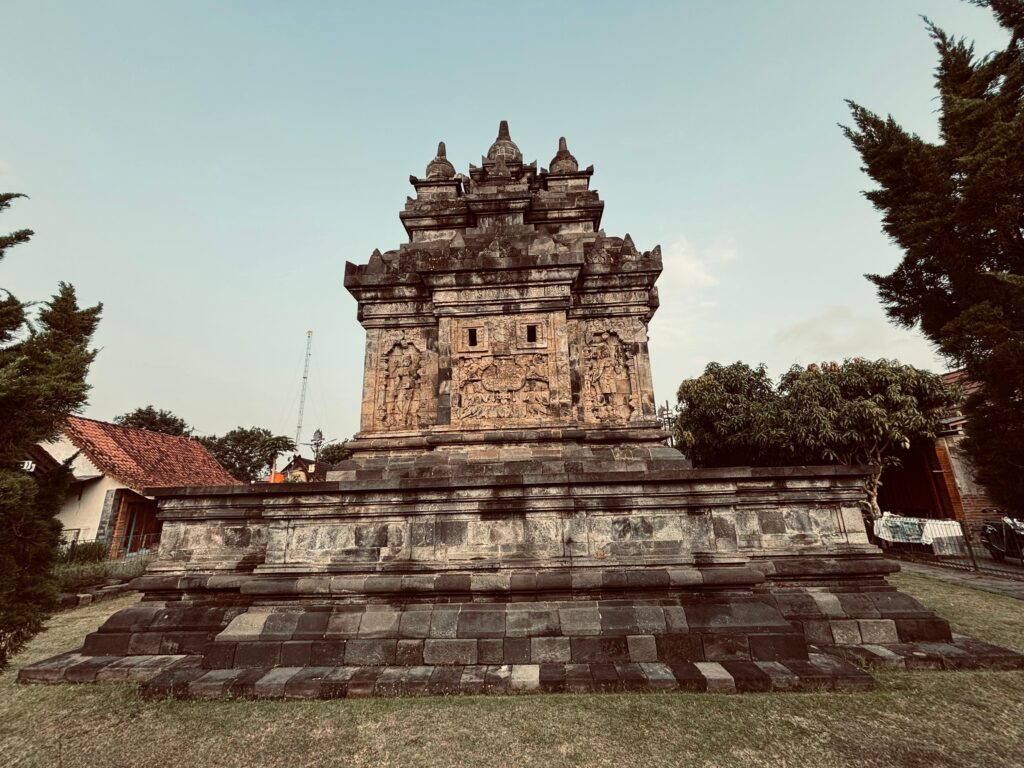
Smaller but exquisitely designed, Pawon Temple dates back to the same Sailendra period and sits perfectly between Borobudur and Mendut. Known also as Bajranalan (“Flaming Thunderbolt”), it likely served as a spiritual waystation for pilgrims traveling toward Borobudur.
Its walls feature intricate carvings of celestial beings and elegant female figures, while the roof’s small stupas echo Borobudur’s grand style.
The Sacred Alignment
Mendut, Pawon, and Borobudur lie on a perfectly straight east-west line — a masterpiece of sacred geometry symbolizing the Buddhist path from ignorance to enlightenment. Each temple represents a spiritual stage: Mendut (beginning), Pawon (purification), and Borobudur (awakening).
During Vesak, pilgrims still walk this ancient route, retracing a 1,200-year-old spiritual journey from Mendut to Borobudur.
Ticket Prices and Entry Information of Mendut and Pawon Temple
One of the best things about visiting Mendut and Pawon temples is that they’re incredibly affordable, especially compared to Borobudur’s entrance fees.
Mendut Temple Entry Fees (2025):
International Visitors:
- Adults: USD 1.95 (approximately 30,000 IDR)
- Children (6-12 years): USD 1.30 (approximately 20,000 IDR)
- Children under 6: Free
Domestic Visitors (Indonesian Citizens):
- Adults: USD 0.65 (approximately 10,000 IDR)
- Children: USD 0.33 (approximately 5,000 IDR)
- Children under 6: Free
Pawon Temple Entry Fees (2025):
International Visitors:
- Adults: USD 1.30 (approximately 20,000 IDR)
- Children (6-12 years): USD 0.65 (approximately 10,000 IDR)
- Children under 6: Free
Domestic Visitors (Indonesian Citizens):
- Adults: USD 0.33 (approximately 5,000 IDR)
- Children: USD 0.20 (approximately 3,000 IDR)
- Children under 6: Free
Note : Price is subject to change.
Please check also the details of Borobudur Temple Entrance Fees and Prambanan Entrance Fees
Where and How to Buy Tickets:
Tickets are purchased directly at each temple entrance. There are no advance booking options, but this isn’t a problem since these temples rarely have long queues. Simply show up, pay at the ticket booth, and enter.
Unlike Borobudur which requires online booking for sunrise visits, Mendut and Pawon keep things refreshingly simple. Payment is accepted in cash (Indonesian Rupiah), and some locations may accept digital payments, though it’s best to bring cash to be safe.
Your ticket is valid for one visit on the day of purchase. Since you’re visiting two separate temples, you’ll need to purchase two separate tickets, but combined, you’re only looking at about USD 3.25 total for both temples—an absolute bargain for the experience you’re getting.
The Smart Way to Visit: Combined Tour Packages
If you want the easiest, most hassle-free experience, consider booking a combined tour package that includes Borobudur plus Mendut and Pawon temples. These packages typically include:
- Transportation from your hotel
- All entrance fees
- Professional English-speaking guide
- Flexibility to spend as much time as you want at each temple
Recommended Package Options:
- Borobudur Sunrise Tour: Experience the magical sunrise at Borobudur Temple, then continue to Mendut and Pawon temples afterward. This is the ultimate Buddhist temple experience, covering all three temples in one unforgettable morning.
- Borobudur and Prambanan Tour: For those wanting to see both Buddhist and Hindu temples in one day, this package combines Borobudur (with Mendut and Pawon as additional stops) plus Prambanan Temple Complex. It’s a full day but covers the absolute highlights of Central Java’s temple heritage.
Both packages include stops at Mendut and Pawon temples, ensuring you don’t miss these hidden gems that independent travelers often skip.
Opening Hours and Best Time to Visit Mendut and Pawon Temple
The ideal times to explore Mendut and Pawon and make the most of your visit without the crowds.
Opening Hours:
Mendut Temple:
- Daily hours: 6:00 AM to 5:00 PM (last entry at 4:30 PM)
Pawon Temple:
- Daily hours: 6:00 AM to 5:00 PM (last entry at 4:30 PM)
Both temples follow straightforward operating schedules with no complicated booking systems or time restrictions. They’re open seven days a week, including holidays, though they may close briefly during major Indonesian holidays like Nyepi.
Best Time to Visit :
After Borobudur Sunrise (8:00 AM – 10:00 AM): This is when most organized tours visit, and it’s the perfect timing. You’ve just experienced sunrise at Borobudur, the morning is still cool and comfortable, and the lighting is beautiful for photography. The temples are relatively quiet during this window since most Borobudur day-trippers haven’t arrived yet.
Late Afternoon (3:00 PM – 5:00 PM): If you prefer exploring independently and want even fewer crowds, late afternoon is magical. The harsh midday sun has softened, the golden hour light makes for stunning photos, and you’ll often have entire temple compounds to yourself. Just be aware that both temples close at 5:00 PM sharp, so arrive by 3:30 PM to give yourself enough time.
Avoid Midday (11:00 AM – 2:00 PM): The combination of harsh overhead sun and maximum heat makes midday the least pleasant time for temple visits. Photos look washed out, you’ll be sweating profusely, and any sense of peaceful temple contemplation gets lost in the discomfort.
Seasonal Considerations:
Dry Season (April – October): This is the best time for temple visits overall. You’ll have clear skies, minimal rain risk, and perfect conditions for photography. The downside is slightly larger crowds, especially during June-July when Indonesian schools are on holiday.
Rainy Season (November – March): Mornings are usually clear, but afternoon showers are common. If you’re doing the Borobudur sunrise tour and continuing to Mendut and Pawon, you’ll likely beat the rain. Just carry a light rain jacket and be prepared for occasional wet temple stones, which can be slippery.
Exploring Mendut and Pawon Temples
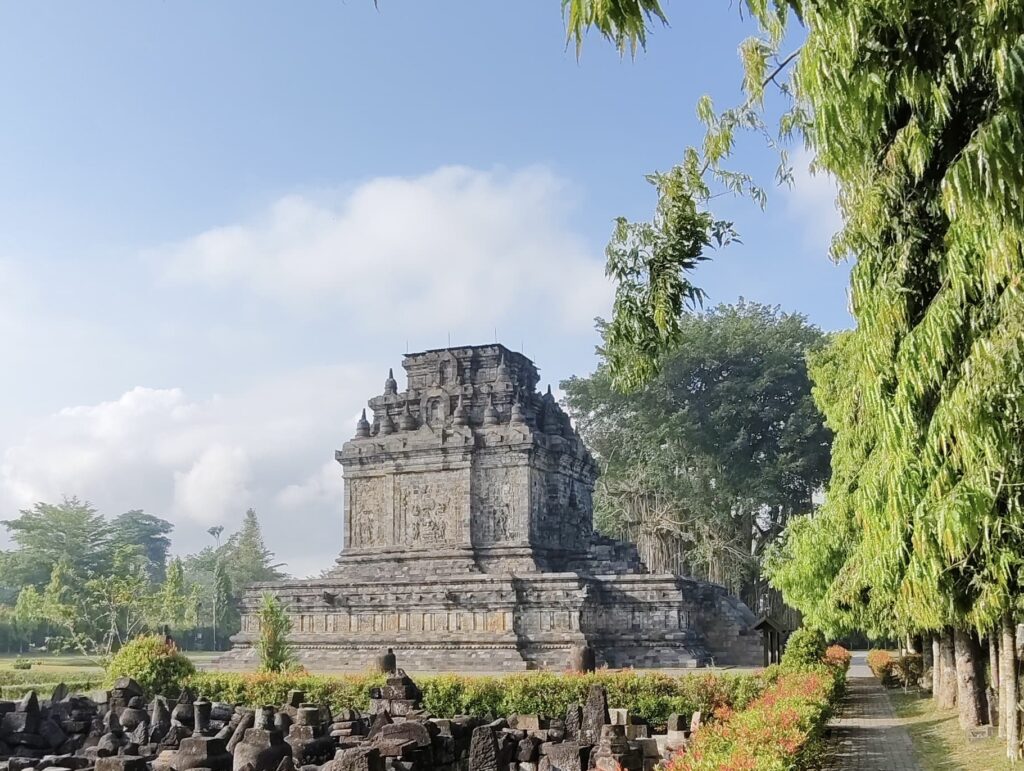
Just a few minutes from Borobudur lie two lesser-known treasures, Mendut and Pawon, temples that complete the ancient spiritual triangle of Central Java. Both were built in the 9th century under the Sailendra dynasty and remain living testaments to Buddhist devotion, artistry, and peace.
Mendut Temple stands tall and graceful, its square base leading to an interior chamber filled with sacred energy. At its heart sits a majestic 3-meter-tall Buddha statue, flanked by two Bodhisattvas symbolizing compassion and power. These are original 9th-century sculptures, still revered today. Outside, intricate carvings of Jataka tales line the walls, while mythical Makara statues guard the entrance. Visitors often describe the temple’s atmosphere as deeply calming — a place where history and spirituality merge seamlessly.
Next to the temple, the Mendut Buddhist Monastery offers a peaceful escape surrounded by lush gardens, prayer flags, and gentle chanting. Travelers can join evening meditations or longer retreats, experiencing the same serenity that has filled this space for over a millennium.
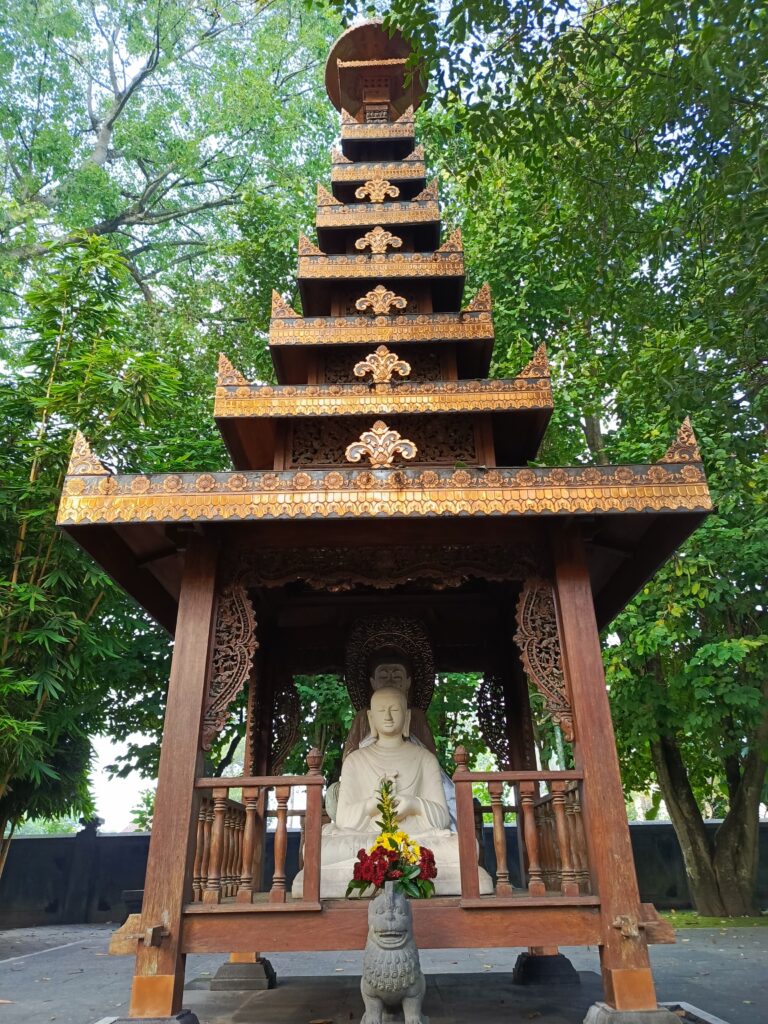
A short walk away lies Pawon Temple, smaller yet strikingly elegant. Rising only 15 meters high, it features some of the finest stone carvings in Central Java — celestial dancers, divine figures, and protective Kala-Makara motifs. Its exact purpose remains a mystery, though many believe it was a sacred stop for purification before reaching Borobudur.
Step inside Pawon’s quiet chamber and feel the cool stone, the filtered light, the weight of centuries. Though modest in scale, its perfection in proportion and detail leaves a lasting impression.
Together, Mendut and Pawon reveal a side of Java that most travelers never see — not grand or crowded, but intimate, spiritual, and timeless.
Food and Restaurants Around Mendut and Pawon Temples
After exploring these beautiful temples, you’ll likely have worked up an appetite. The area around Mendut and Pawon temples offers several dining options ranging from simple local warungs to more upscale restaurants.
Near Mendut Temple:
Amanjiwo Restaurant (Luxury Option): 3 km from Mendut at Amanjiwo Resort, serving high-end Indonesian and international cuisine with Borobudur views. Meals start around 500,000 IDR per person. Reservations recommended.
Stupa Restaurant by Plataran (Mid-Range): 4 km toward Borobudur, offering Javanese specialties like Gudeg, satay, and fresh fish. Meals range 150,000–250,000 IDR per person.
Near Pawon Temple:
Pawon Luwak Coffee Shop Right at Pawon Temple, serving light meals, snacks, and Indonesian coffee. Meals cost 30,000–60,000 IDR, perfect for a quick break
Near Borobudur (5-10 minu.tes from temples):
Plataran Heritage Borobudur Restaurant Elegant Javanese dining in a historic building, set menus 350,000–500,000 IDR per person.
Beukenhof Restaurant Dutch colonial-style restaurant with Indonesian and Western dishes, including rijsttafel. Prices 150,000–250,000 IDR per person.
Practical Dining Tips:
Timing: After a Borobudur sunrise tour, a late breakfast or early lunch around 9:30–10:30 AM works best.
Vegetarian Options: Try gado-gado, tempeh, tofu dishes, and vegetable curries. Ask about shrimp paste or fish sauce if strictly vegetarian.
Transportation for Mendut and Pawon Temples
Since both temples are located along the route to/from Borobudur, transportation planning is straightforward. Here are all your options:
As Part of a Borobudur Tour (Easiest Option):
Book a Borobudur Sunrise Tour that includes stops at Mendut and Pawon temples. This is by far the most convenient option because:
Book a Borobudur and Prambanan Tour for a full-day temple experience covering Buddhist and Hindu temples in one day, with Mendut and Pawon as additional stops.
Independent Transportation Options:
- Private Car with Driver: 500,000–700,000 IDR for 8–10 hours. Ideal for flexibility and small groups.
- Motorbike Rental: 70,000–100,000 IDR per day. About 1.5 hours from Yogyakarta; bring an international driving permit.
- Taxi or Ride-Hailing: 200,000–300,000 IDR one-way. Round-trip or waiting fees may apply.
- Public Bus and Ojek: Cheapest but time-consuming; bus to Borobudur then local motorcycle taxis between temples.
Distances to Know:
- Yogyakarta to Mendut Temple: 40 km (about 1.5 hours)
- Mendut to Pawon Temple: 1.25 km (3-minute drive or 15-minute walk)
- Pawon to Borobudur: 1.75 km (5-minute drive or 20-minute walk)
Read also : Sewu Temple Complete Guide
Read also : All information about Yogyakarta Palace (Kraton Jogja)
Read also : Tamansari Watercastle Complete Guide
The Walking Option:
If you’re staying near Borobudur or have plenty of time and energy, walking between the three temples recreates the ancient pilgrimage experience. The three temples are about 3 km apart in total. Walking through villages and rice fields recreates the ancient pilgrimage, taking under an hour at a relaxed pace. Bring water and sun protection.
Parking Information:
Both Mendut and Pawon have small parking areas with minimal fees (usually 2,000-5,000 IDR for motorcycles, 5,000-10,000 IDR for cars). Parking is never a problem since these temples see far fewer visitors than Borobudur.
What to Wear and Bring
Tips on comfortable clothing, sun protection, and essentials for exploring Mendut and Pawon temples.
Clothing Guidelines:
Unlike Borobudur which can have strict dress codes for sunrise access, Mendut and Pawon temples are more relaxed. However, showing respect through modest clothing is always appreciated, especially at Mendut which remains an active place of worship.
What to Wear:
- Comfortable footwear: Closed-toe shoes with good grip are recommended. The temple stones can be uneven and slippery, especially if there’s been rain. Flip-flops work, but sneakers are better for extended exploring.
- Modest clothing: Cover shoulders and knees. Lightweight long pants or knee-length shorts paired with t-shirts or light long-sleeve shirts work perfectly. This shows respect and also protects you from the sun.
- Breathable fabrics: Cotton and linen are your best friends in Indonesian humidity. Avoid synthetic fabrics that don’t breathe—you’ll be uncomfortable within minutes.
- Light colors: They reflect heat better than dark colors, keeping you cooler during temple exploration.
- Sun protection: A wide-brimmed hat and sunglasses are essential. The tropical sun is intense, and there’s limited shade at both temples.
- Layers: If you’re doing the Borobudur sunrise tour and continuing to these temples, mornings start cool but warm up quickly. A light jacket you can remove works well.
What NOT to Wear:
- Tank tops or sleeveless shirts (shows disrespect at religious sites)
- Very short shorts or skirts
- High heels (dangerous on uneven temple stones)
- All white (shows every speck of temple dust)
- Heavy jeans (too hot and restrictive)
Essential Items to Bring:
Must-Have Items:
- Water bottle: At least 1 liter per person. The combination of heat, humidity, and walking drains you quickly. There are limited drink vendors at Mendut and Pawon compared to Borobudur.
- Sunscreen SPF 30+: Apply before leaving your hotel and reapply every 2 hours. The sun’s intensity gets underestimated by many visitors.
- Cash: Both temples accept cash only for entrance fees. Bring small bills (20,000 and 50,000 IDR notes) to make transactions easier.
- Camera with extra batteries: Temple photography drains batteries fast. A portable charger for phones is equally important.
Helpful to Bring:
- Small backpack: For carrying water, sunscreen, and camera gear comfortably
- Insect repellent: Especially useful at Mendut where there’s more vegetation
- Small towel: For wiping sweat and cleaning hands after touching dusty temple stones
- Snacks: Granola bars or fruit to maintain energy
- Plastic bag: For trash (there are limited bins at the smaller temples)
For Spiritual Visitors:
If you’re Buddhist or interested in participating in spiritual activities at Mendut:
- Modest white clothing: Many Buddhist worshippers wear white when visiting temples
- Offerings: Small flower offerings can be purchased near the temples if you wish to participate in traditional practices
- Meditation cushion: If you’re planning to join meditation sessions at the Mendut Buddhist Monastery
Combining Mendut and Pawon Temple with Other Attractions
How to plan a seamless visit by including Mendut and Pawon with nearby temples and local experiences.
The Perfect Day Itinerary:
Option 1: Buddhist Temple Day
- 03:30 AM: Hotel pickup for Borobudur sunrise
- 04:30 AM: Sunrise at Borobudur Temple and explore the temple structure
- 06:45 AM: Breakfast at Manohara Resort
- 08:00 AM: Visit Pawon Temple
- 08:30 AM: Visit Mendut Temple and monastery
- 09:30 AM: Return to Yogyakarta or proceed to other destinations
This is exactly what the Borobudur Sunrise Tour offers—a complete Buddhist temple experience without the stress of planning or transportation.
Option 2: Complete Temple Experience (Buddhist + Hindu)
- 03:30 AM: Hotel pickup for Borobudur sunrise
- 04:30 AM: Sunrise at Borobudur Temple and explore the temple structure
- 06:45 AM: Breakfast at Manohara Resort
- 08:00 AM: Visit Pawon Temple
- 08:30 AM: Visit Mendut Temple and monastery
- 09:30 AM: Drive to Prambanan Temple
- 11:00 PM: Explore Prambanan Temple Complex
- 13:00 PM: Having lunch then back to the hotel
This full-day experience is available through the Borobudur and Prambanan Tour package, covering the absolute highlights of Central Java’s temple heritage in one comprehensive day.
Final Thoughts
Mendut and Pawon temples prove that sometimes the best travel experiences aren’t the most famous ones. While everyone flocks to Borobudur (and rightfully so—it’s magnificent), these two smaller temples offer something equally valuable: peace, intimacy, and the space to truly connect with ancient history.
So when you visit Borobudur for that incredible sunrise, don’t make the mistake that 90% of tourists make. Take an extra hour or two. Visit Mendut and Pawon. Walk the ancient pilgrimage route. Stand in front of the Buddha statues at Mendut and feel their peaceful presence. Examine the intricate carvings at Pawon that have survived over a millennium.
You’ll return home with more than just photos of Borobudur at sunrise. You’ll have experienced the complete story of Java’s Buddhist heritage, discovered hidden gems that few tourists see, and created memories that go beyond the ordinary tourist experience.
And isn’t that what travel is really about?
FAQs About Mendut and Pawon Temples
Where are Mendut and Pawon temples located?
Both temples are located near Borobudur Temple in Central Java. Mendut is about 3 km east of Borobudur, and Pawon sits between them, approximately 1.75 km from Borobudur.
How much does it cost to visit Mendut and Pawon temples?
Mendut Temple costs USD 1.95 (30,000 IDR) for international visitors and USD 0.65 (10,000 IDR) for domestic visitors. Pawon Temple costs USD 1.30 (20,000 IDR) for international visitors and USD 0.33 (5,000 IDR) for domestic visitors. Combined, both temples cost less than USD 4 for international tourists.
What is the best time to visit Mendut and Pawon temples?
The best time is after experiencing Borobudur sunrise, typically between 8:00 AM and 10:00 AM. This timing offers pleasant temperatures, beautiful morning light for photography, and fewer crowds. Late afternoon (3:00-5:00 PM) is also beautiful if you prefer even quieter visits.
How much time should I spend at these temples?
Plan for approximately 1.5-2 hours total for both temples. Pawon Temple is smaller and can be explored in 20-30 minutes, while Mendut Temple deserves 45-60 minutes, especially if you want to visit the adjacent Buddhist monastery.
Can I visit Mendut and Pawon temples independently or do I need a tour?
You can visit independently, but joining an organized tour is much easier and more convenient. The Borobudur Sunrise Tour and Borobudur and Prambanan Tour both include these temples with transportation and guides, eliminating any stress about directions or logistics.
Read also : Pindul Cave Complete Guide
Read also : Tumpak Sewu Waterfall Informations
Read also : Timang Beach and The Gondola Ride