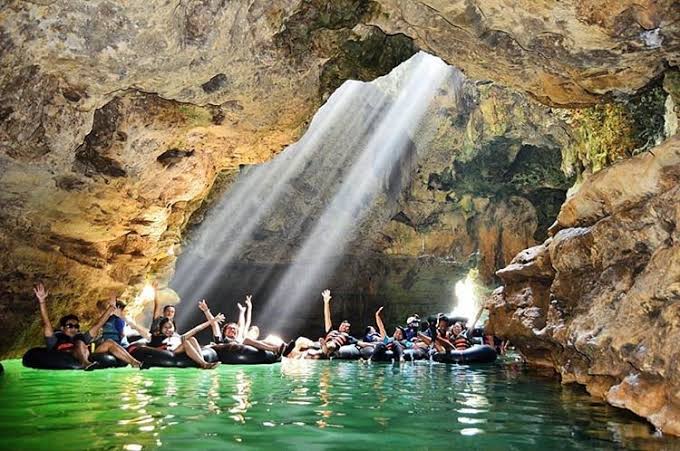
Imagine yourself in the ten perfect days exploring the most culturally rich and naturally diverse island in Indonesia. Ancient temples standing against volcanic mountains, emerald waterfalls hidden in jungles, sunrise views that change your life, bustling cities mixing tradition with modernity. This isn’t a dream. It’s exactly what a 10-day Java itinerary delivers.
Java attracts millions of visitors yearly, but most rush through hitting just the famous spots. This guide walks you through an epic 10-day journey that balances iconic must-see locations with hidden gems most travellers miss. You’ll start in the capital Jakarta, wind through volcanic highlands in Bandung, spend quality time in the cultural heartland of Yogyakarta, explore Solo’s old sultanate, witness three massive volcanoes, discover secret waterfalls, and finish in the paradise island of Bali or take a unique port exit to Ketapang.
This is the complete experience of Java done right.
Before we continue to the main topics, please contact us if you need a tour in Yogyakarta City. We have an excellent review by Trip Advisor or Viator. You may check our tour package in this link : Yogyakarta Tour or check MountBromoIjen.com for Bromo and Ijen Volcano Tour. You can also contact us via email at [email protected] or just simply contact us by pressing the whatsapp button in the right corner.
The 10 to 14 Days Java Travel Itinerary at a Glance
Here’s your overall trip structure:
Days 1-2: Jakarta (Capital City) Days 3: Bandung (Optional, Volcanic Highlands) Days 5-7: Yogyakarta (Cultural Heartland, 3 Days) Days 8: Solo (Optional, Historical Sultanate) Days 9-10-11: Tumpak Sewu Waterfall, Bromo Volcano, Ijen Volcano, Exit Options
Exit Options: Bali Island, Ketapang Port, or Surabaya City
This itinerary is flexible. If you skip Bandung and Solo, you can add more time in Yogyakarta or relax in Bali. The structure works whether you’re doing this as an organized tour or independent travel.
Jakarta, Indonesia’s Megacity, The First City for Java Travel Itinerary

Your Java adventure starts in Jakarta, Indonesia’s bustling capital city. Home to 10 million people, Jakarta can feel chaotic compared to quieter Java destinations, but it’s where most international flights arrive and where modern Indonesia comes alive.
Jakarta is massive and traffic heavy. Most travelers either spend a quick day exploring highlights before heading to the mountains, or skip it entirely for Bandung. If you choose to stay, two days is reasonable for hitting major spots without exhaustion.
Getting Around Jakarta:
Traffic in Jakarta is notoriously bad. During rush hours (7-9 AM and 4-7 PM), even short distances take forever. Use ride hailing apps like Grab or Gojek rather than taxis. Download the apps before arriving and get your first ride queued up while still at the airport. A typical ride within the city costs 50,000 to 150,000 IDR depending on distance.
The Jakarta public transport system (MRT and buses) works well if you understand it. But for short-term visitors, ride hailing is less stressful. TransJakarta buses are cheap (3,500 to 14,000 IDR) but slow and crowded.
Where to Stay in Jakarta (Airport Area):
If you’re just transiting, stay near the airport. Hotels within walking distance cost 300,000 to 600,000 IDR per night. The airport has a transit hotel which is convenient if you only need a few hours rest.
What to do in Jakarta:
Start at the Old Town (Kota Lama), Jakarta’s historic colonial district. Walking through narrow streets lined with 17th century Dutch colonial buildings, you’ll feel transported back in time. Check out Fatahillah Square, the center of Old Town life, surrounded by museums and cafes. The Museum Sejarah Jakarta (Jakarta History Museum) is excellent for understanding the city’s past.
The National Monument (Monas) is Jakarta’s most iconic landmark, a 137-meter tower completed in 1961 symbolizing Indonesian independence. You can take an elevator to the top for city views, though they’re obscured by smog most days. Entry is 30,000 IDR. The surrounding Merdeka Square is where major protests and celebrations happen.
For shopping, head to Grand Indonesia or Plaza Indonesia, massive modern malls in central Jakarta where locals shop and young people hang out.
For street food adventures, visit Pasar Santa (Santa Market), a night market in South Jakarta with hundreds of food stalls. Spend 100,000 to 300,000 IDR and eat like a local, trying everything from grilled fish to fried chicken to fresh fruit.
Where to stay in Jakarta:
Budget travelers: Backpacker hostels in Kota Tua (Old Town) area start at 100,000 to 150,000 IDR per bed.
Mid-range: Hotels like Hotel Neo Kuta Centrepoint or Aston Priority Simatupang offer 500,000 to 800,000 IDR rooms.
Luxury: Hotel Indonesia Kempinski or Mandarin Oriental Jakarta offer 5-star experiences for 2,000,000+ IDR.
Most travelers just overnight in Jakarta before catching morning buses or flights to Bandung or Yogyakarta. If your flight arrives late, sleep near the airport instead.
Bandung, The Second City for Java Travel Itinerary
Bandung sits 180 kilometers south of Jakarta in the volcanic highlands. Many travelers skip this and head straight to Yogyakarta, but Bandung offers cool mountain air, hot springs, waterfalls, and tea plantations. If you like nature and have time, it’s worth 1-2 days.
Getting from Jakarta to Bandung:
Bus takes 2.5 to 3 hours (100,000 to 150,000 IDR). Frequent departures throughout the day. Buy tickets at travel agencies or bus terminals.
Train takes 3 hours (200,000 to 300,000 IDR for decent seats). More comfortable than buses but slower.
Private car with driver costs 800,000 to 1,500,000 IDR for the full trip, takes 2.5 to 3 hours depending on traffic.
What to do in Bandung:
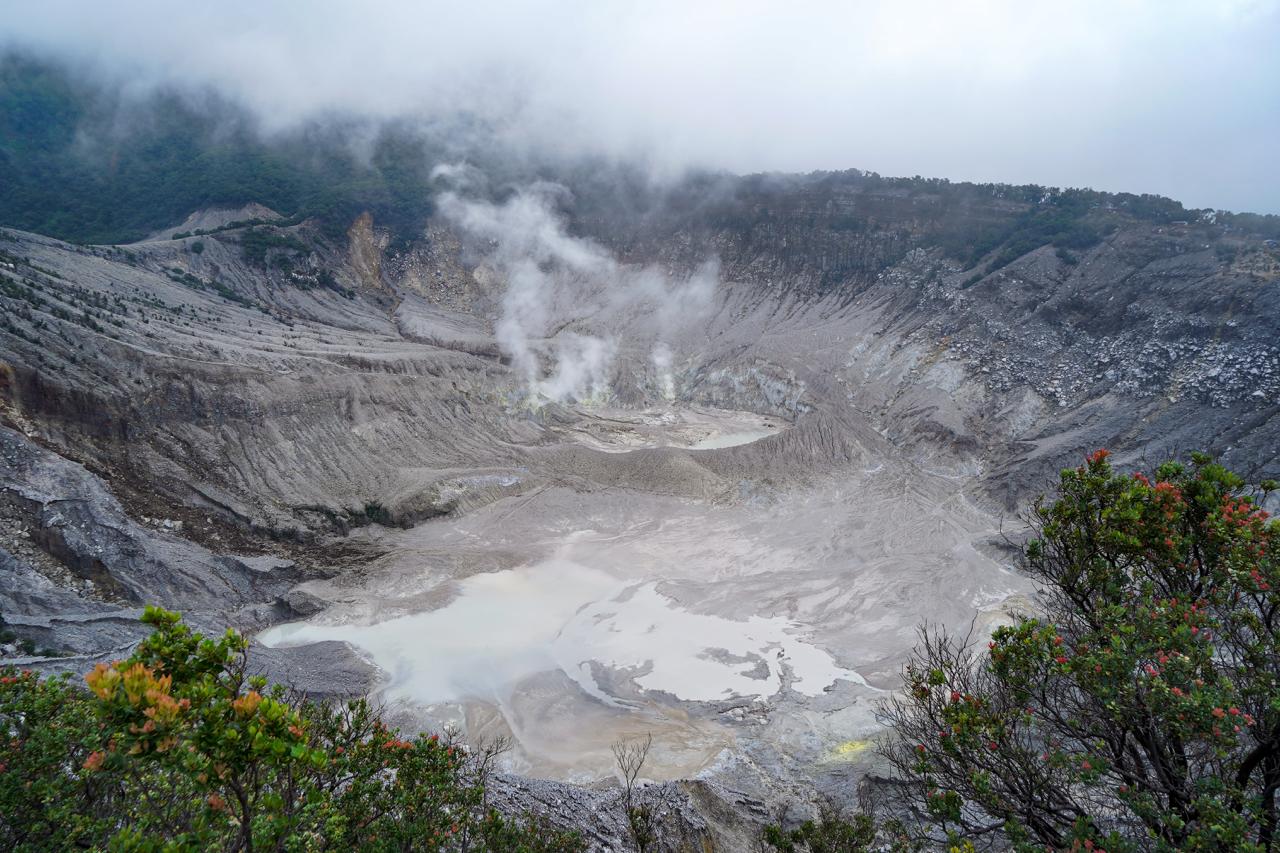
Tangkuban Perahu Volcano is an active volcano where you can see sulfur vents, hot springs, and walk around the crater. Entry is 30,000 IDR. Sunrise visit is magical but requires 5 AM start from the city (1 hour drive). Most people go mid-morning instead.
Kawah Putih (White Crater) is a crater lake with milky turquoise water surrounded by white sulfur deposits. Entry is 20,000 IDR. The photo op is excellent though it’s touristy with crowds.
Ranca Upas Tea Plantation spreads across green hillsides with endless tea plant rows. You can walk through plantations, taste fresh tea, and have lunch with views. Entry is free, tea tasting 20,000 to 50,000 IDR. Highly photogenic.
Getting from Bandung to Yogyakarta:
Bus takes 7 to 9 hours (200,000 to 350,000 IDR). Overnight buses are available.
Train takes 9 to 10 hours (300,000 to 500,000 IDR). Scenic but long. Check this link for more details about Bandung to Y0gyakarta by Train
Pro tip: Many travelers skip Bandung entirely and take a 7-hour overnight bus or 1.5-hour flight directly from Jakarta to Yogyakarta. You can add extra time in Yogyakarta instead. Both approaches work perfectly.
Yogyakarta, The Cultural Heart of Java
This is the highlight of your trip in the Java Itinerary. Yogyakarta is where you’ll spend the most time, and rightfully so. This city and surrounding area contain some of Asia’s most important cultural and historical sites.
Yogyakarta has a different energy than Jakarta. It’s calmer, cleaner, more walkable, and genuinely welcoming. The city center remains governed by traditional Javanese royalty (the Sultan), creating this unique blend of ancient traditions and modern tourism. Expect temples, history, art, good food, friendly people, and some of the best travel experiences of your life.
2. Borobudur Temple and Surroundings
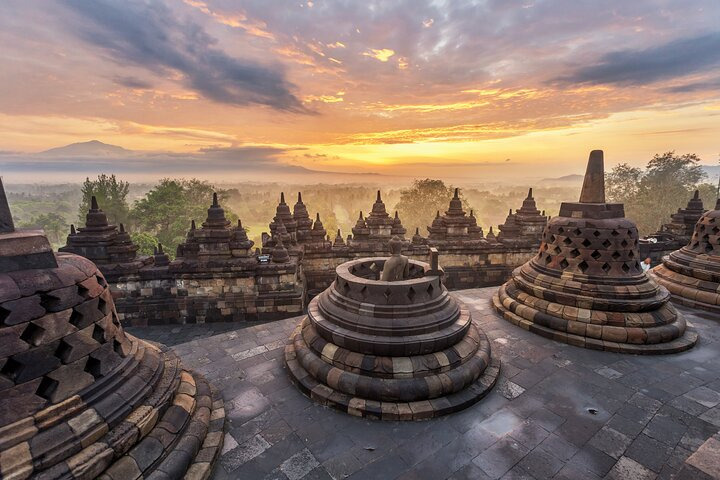
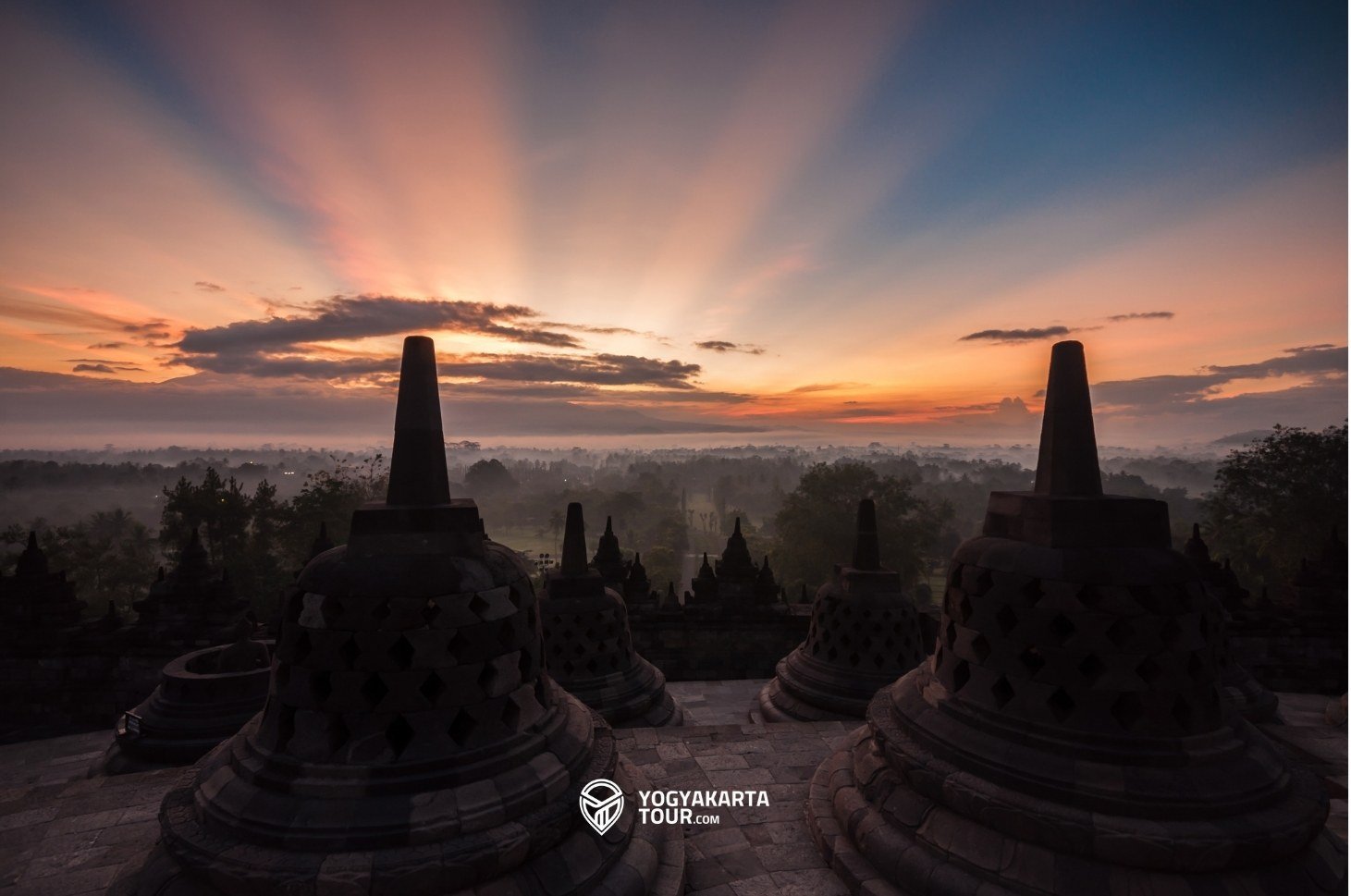
Borobudur Temple is the world’s largest Buddhist monument, built in the 9th century. It’s absolutely must-see, non-negotiable, bring-tissues-because-it’s-that-stunning kind of important.
The temple sits about 40 kilometers northwest of Yogyakarta city. Early morning visits (5 to 7 AM) include sunrise views of the temple glowing pink while mist rises from surrounding rice fields. This is peak beauty. You’ll stand there at 6 AM, cold, tired from the early start, and think “this was worth it.” Late afternoon visits catch golden hour light, equally beautiful but more crowded.
Book our tour or hire a private car with driver (600,000 IDR for the day). Tour agencies usually include breakfast, entrance ticket, guide, and either sunrise or sunset viewing. Total cost typically 400,000 to 800,000 IDR depending on group size and inclusions.
Walking Borobudur’s 9 levels and 500+ Buddha statues takes around 2 hours if you’re moving at a good pace. Time slot system limits how many people can climb at once, so tickets are time restricted.
After Borobudur, visit nearby Mendut Temple and Pawon Temple, smaller Buddhist temples in the same area worth quick exploration. Many tours include these three temples in one package.
2. Prambanan Temple and Sewu Temple
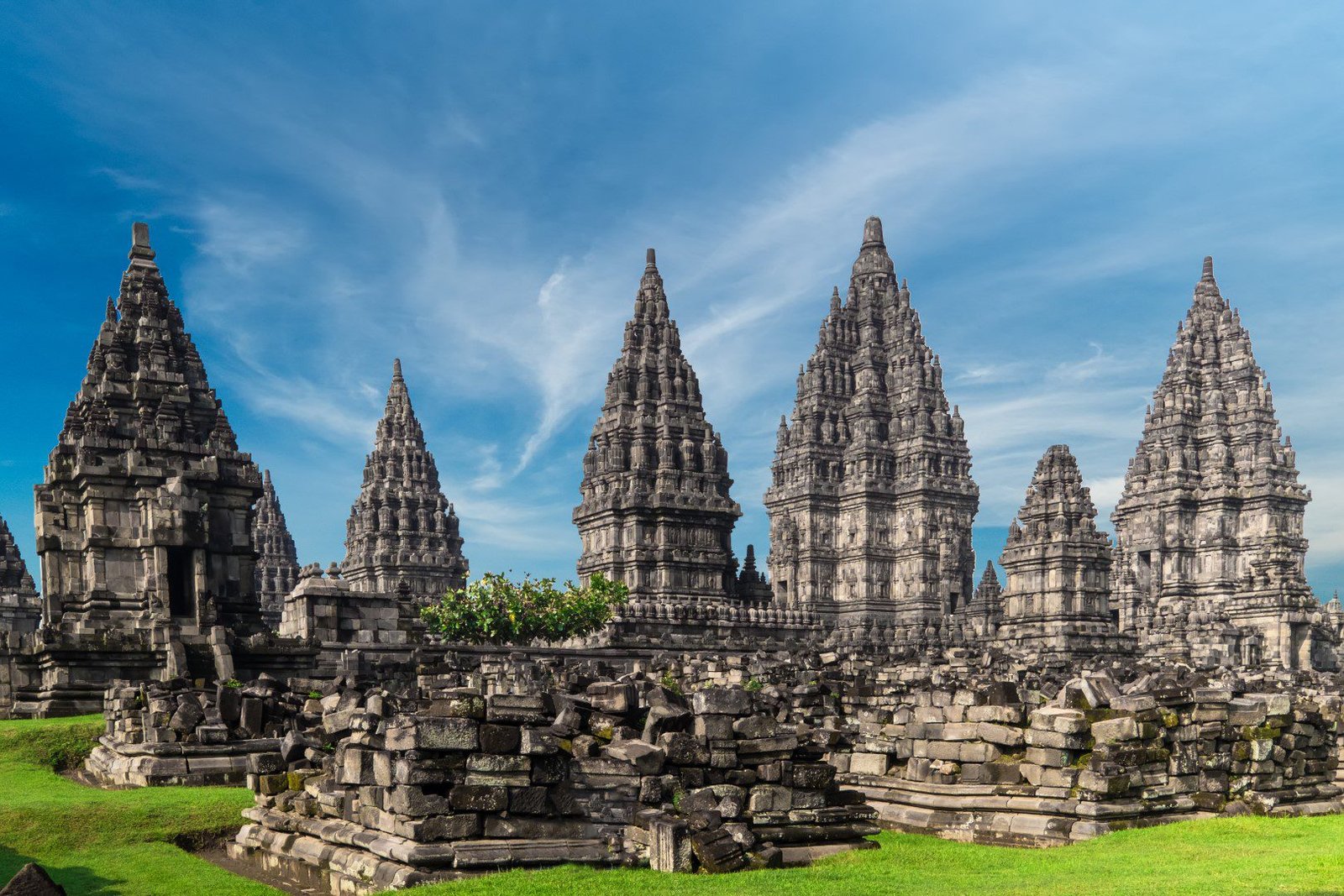
Prambanan Temple, dedicated to Hindu deities, stands as Indonesia’s largest Hindu temple complex. Built in the 10th century, its three main spires are iconic and visible from many parts of Yogyakarta.
Prambanan is in eastern Yogyakarta, easier to visit from the city than Borobudur. You can take public buses (Trans Jogja, 4,000 IDR) or grab a Grab (50,000 to 80,000 IDR). Most organized tours pick this up as a half-day or full-day activity.
Entry is +- USD 25 for foreigners (children +- USD 18). One ticket covers both Prambanan and nearby Sewu Temple (Indonesia’s second-largest Buddhist temple complex). Most travellers don’t know about Sewu, assuming Prambanan is the only option. Huge mistake. Spend at least half your time exploring the peaceful Sewu ruins instead of fighting crowds at Prambanan.
Sunset at Prambanan is legendary. The spires glow golden, Mount Merapi volcano looms in the distance, and everything looks like a movie. Plan to be there by 4 PM if sunset time is around 6 PM. Arrive later and you’ll miss it.
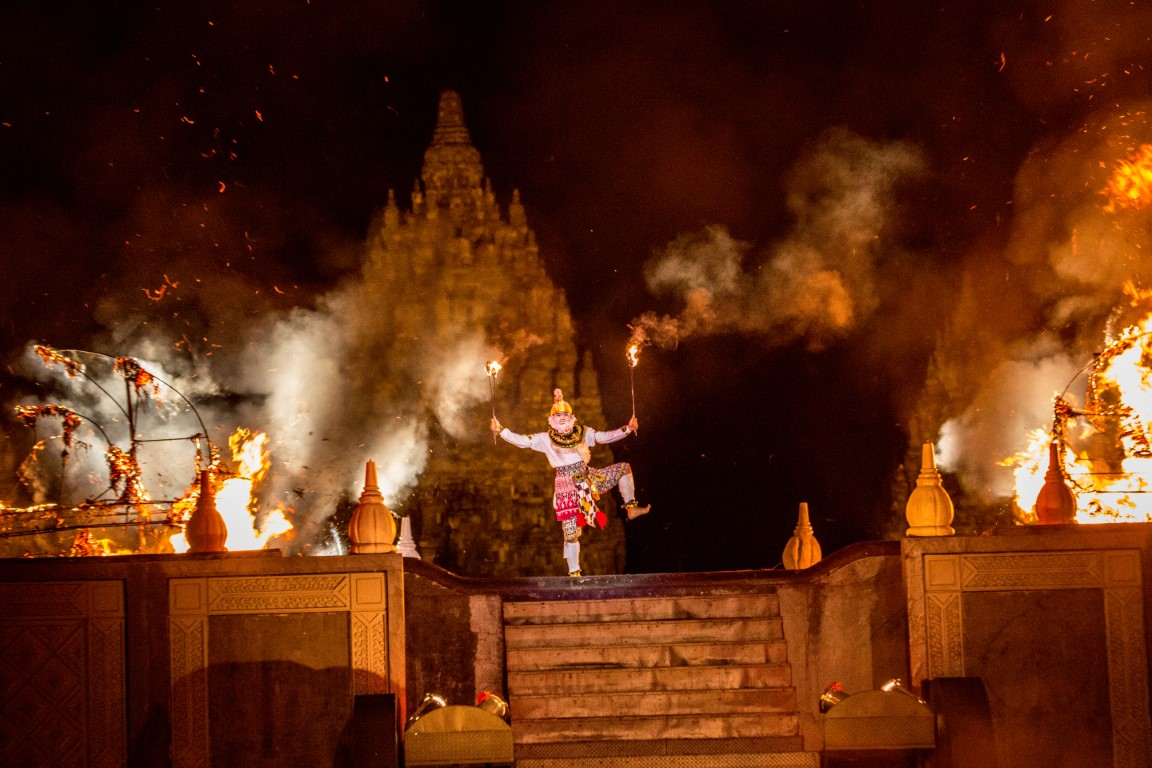
Ramayana Ballet Theater performs nightly at Prambanan using the temple as backdrop. The open air performance tells the story of Ramayana through dance. Tickets 300,000 to 500,000 IDR depending on seating. Check performance schedules and book Ramayana Ballet Tour in advance.
3. Explore Yogyakarta City Centre
Spend your final Yogyakarta day exploring the city itself rather than rushing to distant temples. This is where you connect with the living, breathing culture of Yogyakarta beyond just visiting ancient monuments.
The Kraton (Sultan’s Palace) is the current residence of Yogyakarta’s Sultan and still functions as the royal court. You can tour parts of it. The whole complex is walled and mysterious from outside. Entry is 25,000 IDR, open 8 AM to 12:30 PM Tuesday to Thursday, Saturday to Sunday (closed Fridays and Mondays). Hire a guide (50,000 to 100,000 IDR) to understand the palace’s significance. The palace has been the residence of the same royal family for over 250 years, making it one of Southeast Asia’s most continuously occupied royal residences.
Inside the palace, you’ll see the throne room, residential quarters (though these remain private), and various halls used for ceremonies. The architecture blends Javanese, Islamic, and Dutch colonial influences. It’s not as ornate as some Asian palaces, but the historical weight is palpable.
Taman Sari Water Castle, built in the 18th century, features underground tunnels, pools, and beautiful architecture now partially in ruins. It’s haunting and romantic. Entry 65,000 IDR. Combine this with Kraton visit for a full morning of royal history. The water castle was originally a royal bathing complex and pleasure garden for the Sultan. Walking through its crumbling arches and discovering hidden pools scattered throughout the grounds creates an Indiana Jones atmosphere.
Malioboro Street is the main shopping street, packed with batik shops, warungs, street musicians, and the energy of real Indonesia. Walk it daytime for shopping, evening for street food and atmosphere. Most things cost 50,000 to 200,000 IDR. Bargain if buying souvenirs. Evenings on Malioboro (after 6 PM) are especially vibrant with street performers, food carts, and the whole street becoming a pedestrian zone.
Beringharjo Market is the old traditional market where locals actually shop rather than tourists. Authentic, chaotic, packed with everything from textiles to spices to street food. Come with cash and a sense of adventure. The market has existed since 1758 and remains the heart of Yogyakarta’s commerce. You’ll find batik fabrics at wholesale prices, fresh spices, handicrafts, and local snacks that you won’t find in tourist areas.
Affandi Museum displays works by Indonesia’s most famous modern painter. If you appreciate art, this museum showcases contemporary Indonesian art. Entry 40,000 IDR. The museum is housed in Affandi’s former studio overlooking a river.
Where to eat in Yogyakarta:
Bale Raos serves Javanese traditional meals on banana leaves in a courtyard setting. Entire family portions (4-5 people) cost 300,000 to 400,000 IDR. Perfect for experiencing authentic food and culture together.
Gudeg Yu Djum has been serving gudeg (young jackfruit stew) for 30 years. Yogyakarta’s signature dish prepared the traditional way. Meals cost 25,000 to 40,000 IDR. Sit where locals sit, experience real Yogyakarta.
Roaster and Bear Café is Instagram famous for teddy bear decorations and good quality coffee. Beautiful setting, great for morning coffee or afternoon breaks. 40,000 to 100,000 IDR for coffee and pastries.
Kopi Klotok serves Javanese coffee in a scenic riverside setting. Cheap local coffee (15,000 to 25,000 IDR) with authentic atmosphere. Early morning visits best.
Angkringan Lik Man is a legendary street food spot with tables on the sidewalk, street musicians, and dozens of food carts. Get satay, grilled fish, or chicken with hot sweet tea (jamu). Perfect evening activity. 30,000 to 60,000 IDR per person.
Jejamuran is a mushroom-focused restaurant popular with vegetarians and health conscious travelers. Mushroom satay, mushroom curry, vegetable dishes. 60,000 to 120,000 IDR per dish. Clean, modern space.
Where to stay in Yogyakarta:
Budget: Hostels in Malioboro area, 80,000 to 120,000 IDR per bed. Clean, social, good for solo travelers.
Mid-range: Hotels like Phoenix Hotel or Gallery Prawirotaman offer comfortable rooms in good locations, 400,000 to 700,000 IDR per night.
Luxury: Amanjiwo is a world class resort with views of Borobudur Temple, Michelin-star dining, 5-star service. 3,000,000 to 5,000,000+ IDR per night. Worth splurging once in your life.
Solo (Surakarta), Optional visit for the Java Itinerary

Solo is Yogyakarta’s cultural rival, another royal city with its own sultanate. It’s smaller, less touristy, and offers authentic Javanese culture without the crowds.
Getting from Yogyakarta to Solo:
Bus takes 1 to 1.5 hours (25,000 to 50,000 IDR). Frequent departure. The cheapest and most local option.
Train takes 1 hour (50,000 to 100,000 IDR). More comfortable, scenic route through Java countryside.
Private car takes 1.5 hours, costs 300,000 to 500,000 IDR.
What to do in Solo:
Kasunanan Palace (Kraton Solo) is the royal palace of Solo’s ruling Sultan. Similar to Yogyakarta’s Kraton. Entry 50,000 IDR. Hire a guide (50,000 IDR) to understand the significance.
Mangkunegaran Palace is another royal residence with beautiful architecture and art collections. Entry 50,000 IDR. Less crowded than Kasunanan.
Pasar Gede Market is the central market where locals actually shop. Chaotic, authentic, real Indonesia. Come hungry and explore street food stalls.
Where to eat in Solo:
Nasi Kuning Bu Slamet serves yellow rice (nasi kuning) with various side dishes. Solo specialty, 25,000 to 35,000 IDR. Very local.
Soto Ayam Lamongan is a chicken soup chain that originated in East Java. Popular throughout the region. 30,000 to 45,000 IDR per bowl.
Getting from Solo to Tumpak Sewu:
This is the tricky part. Tumpak Sewu Waterfall isn’t directly accessible by public transport. You need private transportation. The journey is 3.5 to 4.5 hours depending on your starting point and road conditions.
Book a private car and driver with company that specializes in East Java tours. Cost ranges 700,000 to 1,500,000 IDR for a day including driver, car, and fuel. Your hotel can arrange this or check online tour companies.
Alternatively, many organized tour companies offer Solo-Tumpak Sewu combo packages. These include hotel pickup from Yogyakarta, Solo exploration, and drive to Tumpak Sewu in one package.
Tumpak Sewu, Bromo, Ijen – The Volcanic Destination of the Java Itinerary
This section is the physical climax of your trip. Three volcanic wonders in three days. It’s challenging but absolutely transformative.
1. Tumpak Sewu Waterfall
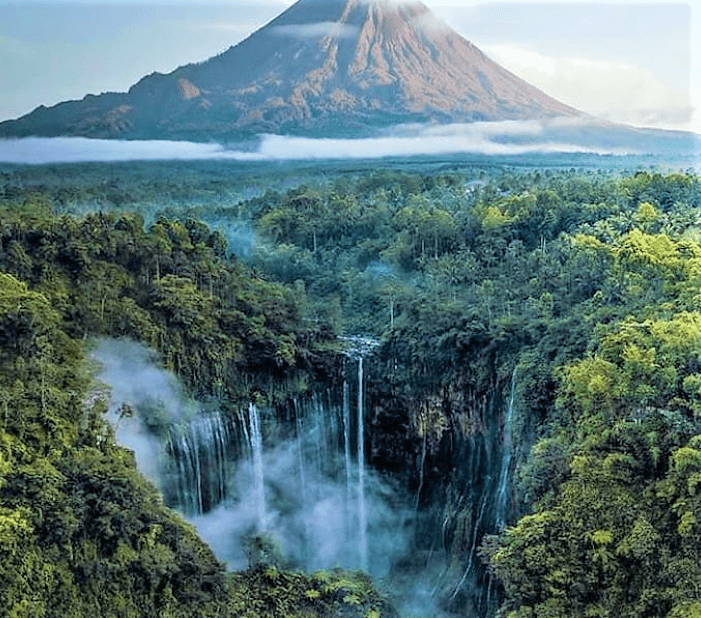
Tumpak Sewu means “thousand waterfalls” in Javanese. One massive waterfall cascades into a canyon surrounded by smaller streams creating thousands of water curtains. It’s hidden in a jungle valley in East Java, relatively unknown to tourists, and absolutely magical. You should not skip Tumpak Sewu Waterfall in your Java Itinerary.
Getting there involves driving to a small village, then hiking 45 minutes down a steep trail to reach the waterfall base. The hike includes rock scrambling and wading through water. Wear appropriate shoes and bring a change of clothes. The path is slippery, especially during or after rains, so go carefully.
Once there, you can stand under the waterfall’s spray, explore side streams, and experience one of Java’s most untouched natural wonders. Sunrise viewing is possible if you stay nearby and start at 4 AM. Many travelers consider Tumpak Sewu the highlight of their entire Java trip because it feels discovered rather than manufactured for tourism.
The village near Tumpak Sewu has basic accommodations. Guesthouse near Tumpak Sewu offers 200,000 to 350,000 IDR rooms. Basic but clean, serves food, and the owner can arrange guides and transportation.
Alternatively, complete the drive and hike as a day trip from Solo, though this means 6 hours of driving plus the 2-hour waterfall experience, making it exhausting.
2. Bromo Volcano
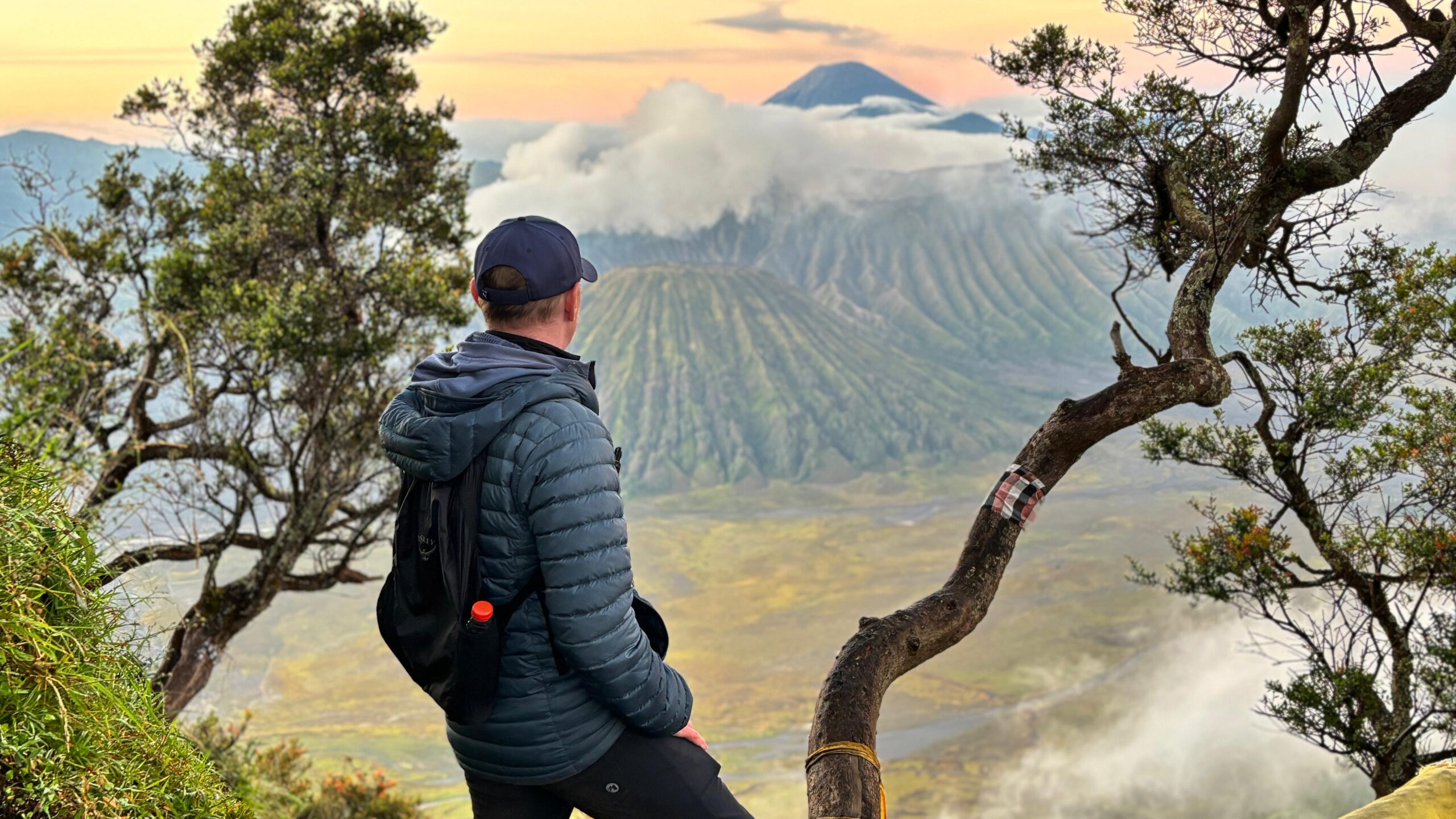
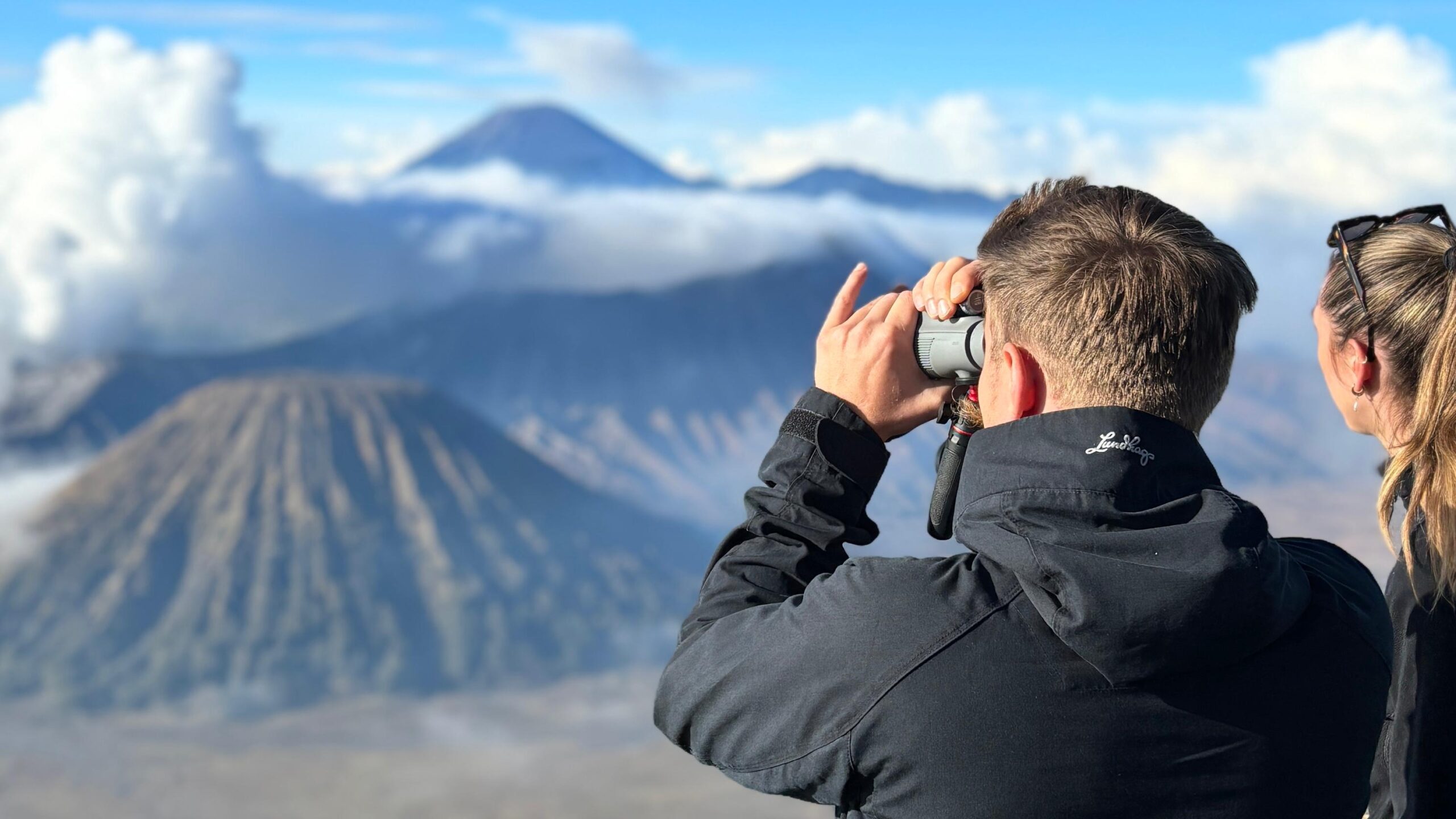
Mount Bromo is Indonesia’s most famous volcano, iconic, dramatic, and genuinely impressive. From Tumpak Sewu, it’s another 3 hour drive through increasingly mountainous terrain.
Bromo sits inside Bromo Tengger Semeru National Park at 2,329 meters elevation. The volcano creates a massive crater visible from viewpoints. The barren volcanic landscape looks alien, especially during sunrise when fog creates shadows and light plays across the crater. The surrounding “Sea of Sand” is an enormous flat expanse of ash and sand at the crater’s base that looks like you’re standing on another planet.
Most visitors stay overnight at Mt Bromo and wake at 4 AM for sunrise viewing. The drive to viewpoints happens in complete darkness with dozens of jeeps full of sleepy tourists all going the same direction. Around 5 AM, the sun rises, turning the volcano golden. Shadows move across the crater creating dramatic light and dark patterns. It’s cliché because it’s genuinely stunning. Even after seeing a thousand photos, experiencing it in person is different.
Options for experiencing Bromo:
Jeep Tours: Book through your hotel or local operators. Jeep fits 4-5 people, costs 600,000 to 1,500,000 IDR total depending on inclusions (breakfast, guide, multiple viewpoints).
Hiking: Hike to viewpoints instead of jeep (saves 300,000 IDR but takes 1 to 2 hours more, leaving at 2 AM instead of 4 AM). Some travelers hike down into the crater itself to stand at the volcano’s base.
Horse riding: Ride horses across Bromo’s volcanic sand (adds 150,000 to 300,000 IDR but requires decent fitness).
Sunrise and sunset: Sunrise is universally better than sunset at Bromo, so always choose sunrise even if the 2 AM wake up kills you.
3. Ijen Volcano, Blue Fire Phenomenon, The last attraction for the Java Travel Itinerary

Mount Ijen is East Java’s most otherworldly volcano, famous for its rare blue fire phenomenon. Burning sulfur creates blue flames that glow at night, visible from the crater rim. It’s surreal, alien, genuinely hard to believe you’re experiencing something real. This phenomenon happens nowhere else on Earth at this scale.
The Ijen experience involves:
- Start hiking at 2 AM with a guide and headlamp
- Hike 3 kilometers uphill (takes 1 to 1.5 hours) to the crater rim
- Watch sunrise (around 6 AM) paint the sky while blue fire still faintly glows
- Explore the crater, see the turquoise acid lake, watch sulfur miners hauling loads
- Hike back down (takes 45 minutes to 1 hour)
- Total experience 4 to 5 hours
It’s tough. Your legs will hurt on the hike up. The guide will push you uphill in darkness. Your lungs will feel the sulfur gases. But reaching that crater rim as sunrise breaks, with blue fire still flickering and the sulfur miners starting their day, is truly once-in-a-lifetime.
The turquoise acid lake at Ijen’s crater is incredibly beautiful but also dangerous. The water is acidic enough to dissolve clothing and burn skin. Stay behind the barriers.
The sulfur miners you’ll see hauling heavy loads of sulfur down the mountain do this daily for minimal pay. It’s hard to witness such difficult labor, but many miners appreciate photos and tips if you ask respectfully.
Guides are required and provide headlamps. Cost approximately 300,000 to 500,000 IDR per person depending on group size. Book through your hotel or local tour companies in Banyuwangi.
Ending of the Java Itinerary: Three Exit Options to end your trip in Java Island
After Ijen, you have three options depending on your next destination:
Option 1: Bali Island
Take a ferry or flight from Banyuwangi to Bali (ferries 50,000 to 100,000 IDR, 30 minutes to 1 hour; flights 400,000 to 800,000 IDR, 1 hour).
Perfect if you want beach time after mountains. Most travelers choose this to transition from volcanoes to Bali’s beaches and parties.
Option 2: Ketapang Port
Unique option to take a ferry from Ketapang (30 minutes from Banyuwangi) to Sumatra. This port connects to other Indonesian islands and creates an adventurous continuation of your journey.
Most travelers don’t do this unless specifically traveling to Sumatra next.
Option 3: Surabaya City
Drive or take train/bus back to Surabaya (2 to 3 hours). Surabaya is East Java’s largest city, main transportation hub, and where many international flights depart.
Most practical if your onward flight leaves from Surabaya.
Sample Daily Java Itinerary With Logistics
Here’s exactly how one 10-day Java Itinerary Plan looks, day by day:
Day 1: Arrive Jakarta early morning (international flight). Explore Old Town, eat lunch at Café Batavia, visit National Monument. Evening in Jakarta Old Town near airport. (Overnight Jakarta or airport hotel)
Day 2: Morning sightseeing in Jakarta. Lunch at Gado-Gado Boplo. Afternoon flight or overnight bus to Yogyakarta. If taking overnight bus, depart Jakarta 5 PM, arrive Yogyakarta 12 AM. If flying, depart 4 PM, arrive 5:30 PM. (Overnight in transit or Yogyakarta if flying)
Days 3-4: Optional Bandung. Early morning to Bandung by bus (2.5 hours). Visit Tangkuban Perahu volcano, Ranca Upas tea plantation, Kawah Putih crater lake. Overnight Bandung. Next morning, lunch at Kampung Daun, afternoon bus/flight to Yogyakarta. (Overnight Bandung x1, drive/fly to Yogyakarta late afternoon)
Day 5: Borobudur sunrise tour. Depart hotel 4 AM, arrive Borobudur 6 AM for sunrise. Explore three temples (Borobudur, Mendut, Pawon). Lunch near Borobudur. Return to Yogyakarta city by 4 PM. Evening rest and dinner in Yogyakarta. (Overnight Yogyakarta)
Day 6: Prambanan Temple morning visit. Explore complex and nearby Sewu Temple. Lunch at restaurant in Prambanan area. Ramayana Ballet evening performance (tickets 300,000 to 500,000 IDR). Return to hotel after performance around 10 PM. (Overnight Yogyakarta)
Day 7: Sultan’s Palace and Water Castle morning tour with guide. Lunch at local restaurant. Afternoon Malioboro Street shopping and exploration. Evening street food dinner at Angkringan Lik Man. Rest evening at hotel. (Overnight Yogyakarta)
Day 8: Morning bus to Solo (1.5 hours). Explore Kasunanan Palace and Mangkunegaran Palace. Lunch at Soto Ayam Lamongan. Afternoon Pasar Gede Market exploration. Evening drive toward Tumpak Sewu (3.5 hours). Arrive 9 PM, check into homestay. (Overnight Tumpak Sewu area)
Day 9: Early morning Tumpak Sewu waterfall hike (2 hours round trip). Return to homestay, pack, check out. Drive to Bromo (3 hours). Check into accommodation near Bromo. Rest afternoon. 4 PM wake up, 4:30 AM drive to sunrise viewpoint. Watch sunrise 5:30 AM. (Overnight Mt. Bromo)
Day 10: Post-sunrise, return to hotel for breakfast. 10 AM checkout. Drive to Banyuwangi (2.5 hours). Check into hotel. 2 PM rest. 2 AM wake, 2:30 AM drive to Ijen. 3 AM start hike. 6:30 AM sunrise at crater rim. 8 AM hike down. 10 AM breakfast in Banyuwangi. Ferry to Bali (30 minutes, 50,000 IDR), flight to Surabaya (1 hour, 400,000+ IDR), or ferry to Sumatra.
This Java Travel Itinerary Plan is tight but manageable if you book everything in advance and have transportation organized.
Pro Tips for your Success Java Travel Itinerary
Book accommodations in advance: Hotels fill up during peak seasons (July-August, December) or during Eid Celebration. Book at least 2 weeks ahead to ensure availability and better rates.
Book tours through your hotel: Hotels can arrange Borobudur, Bromo, and Ijen tours at good rates. This is easier than booking independently and hotel staff can vouch for guide quality.
Hire guides for temples: Temples become dramatically more interesting with knowledgeable guides explaining history and significance. What might take 30 minutes of walking becomes 2 hours of discovery with a guide. Worth the extra 100,000 to 200,000 IDR.
Budget 100,000 to 150,000 IDR per day for food: You can eat amazingly well on this budget, from street food to mid-range restaurants. Indonesian food is incredibly affordable while remaining high quality and delicious.
Use transportation wisely: Mix public transport (buses, trains) with organized tours and occasional hired cars. This saves money while avoiding logistics stress. Public transport is authentic and cheap but time consuming. Private transport is fast but expensive. Find the balance.
Start early, nap midday: Java’s heat is intense. Most locals sleep 2 to 4 PM. Follow this rhythm and you’ll feel much better. Shopping in morning/evening, rest during peak heat hours, and you’ll accomplish more and feel less exhausted.
Download offline maps: Google Maps offline is essential. Internet can be unreliable outside major cities, and you don’t want to be stranded because your data cut out at the wrong moment.
Bring layers for volcanoes: Sunrise at high altitude mountains is cold (can be 5 to 15 degrees Celsius). Carry light jackets despite Java being tropical. Temperatures change dramatically with elevation.
Stay hydrated constantly: Tropical heat combines with physical activity (hiking volcanoes, walking temples) will dehydrate you fast. Carry a water bottle and refill it constantly, even when you don’t feel thirsty. Dehydration makes everything harder.
Respect temple customs: Dress modestly (shoulders and knees covered), take off shoes where instructed, don’t climb on statues for photos. Many locals are still practicing Buddhists or Hindus at these temples, not just historical sites.
Learn basic Indonesian phrases: “Terima kasih” (thank you), “Berapa harganya?” (how much?), “Air putih” (water), and “Toilet di mana?” (where’s the bathroom?) go surprisingly far. Locals appreciate effort to speak their language.
Bring good travel insurance: The physical demands of this trip (volcano hiking, rock scrambling at waterfalls) carry minor injury risk. Travel insurance covering activities and evacuation provides peace of mind.
Don’t overschedule: This itinerary is already packed. Adding activities on top of it creates burnout. You’ll see and do more by slowing down and absorbing experiences rather than rushing through more sites.
Pack light: You’ll move cities daily for 10 days. A 40-liter backpack maximum keeps you mobile and prevents packing regret. Choose clothes with quick-dry fabrics since you’ll likely get wet at waterfalls and sweat heavily from humidity.
Bring portable charger: Phone batteries drain fast from navigation apps, constant photos, and using phones as flashlights. A 20,000 mAh portable charger gets you through 2-3 full charges.
Exchange money smartly: Withdraw cash at ATMs in major cities rather than exchanging at airport or tourist shops. ATM rates are best. Keep small bills (20,000 to 50,000 IDR notes) for tips and street food.
Tip appropriately: In Indonesia, tips aren’t mandatory but deeply appreciated. Hotel staff, guides, drivers, and restaurant servers appreciate 10,000 to 50,000 IDR tips. For guides on full-day tours, 100,000 to 200,000 IDR total is appropriate for excellent service.
Final Thoughts on Java Travel Itinerary
This Java Travel Itinerary packs an enormous amount of experience into two weeks. It’s ambitious, physically challenging, and absolutely rewarding. You’ll see ancient temples, active volcanoes, hidden waterfalls, bustling cities, and experience genuine Javanese culture that most tourists never find.
The rhythm alternates between action and recovery. Intense hiking days (Borobudur, Bromo, Ijen) are balanced with slower city exploration and local food. Three full days in Yogyakarta prevents you from becoming a temple-hopping zombie, giving time to actually absorb experiences.
Java is less famous than Bali but arguably more authentic. You’ll see how real Indonesians actually live, work, worship, and celebrate. You’ll eat street food prepared by locals, stay in family-run accommodations, and interact with people whose livelihoods depend on tourism without resenting it.
By the end of ten days, you’ll feel like you’ve lived six months. Java does that to travelers. Start this journey following our Java Itinerary Plan, and you’ll return changed.
Book Your 10-Day Java Tour Package
If you want the organized tour experience with hotels, transportation, guides, and meals handled, booking through a reputable operator removes logistics stress. Our 10-day Java Tour Package is designed specifically for this Java Itinerary, with room for customization based on your interests.
Read also : Yogyakarta Best Sunrise Viewpoints
Read also : Borobudur Ticket Price and Opening Hours
Read also : Prambanan Ticket Price