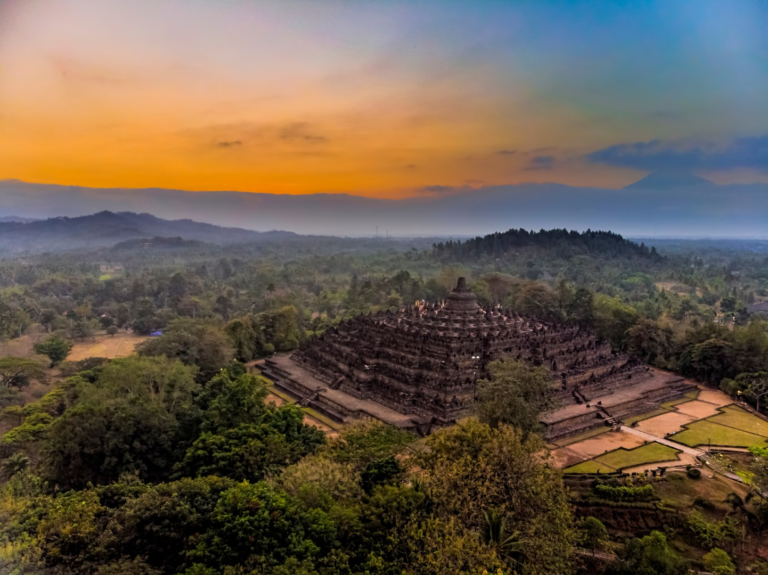
You know that feeling when you’ve just finished exploring Prambanan Temple, you’re getting ready to leave, and then someone tells you there’s actually another massive temple complex right there that you completely missed? Yeah, that sinking feeling where you realize you almost walked away from one of Java’s most incredible hidden treasures.
Most travellers face this exact problem at Prambanan. They come for the famous Hindu towers, take their photos, and head out without knowing they just passed by Sewu Temple, Indonesia’s second-largest Buddhist temple complex. It’s literally right there in the same compound, but somehow stays invisible to 90% of visitors.
But there is some good news here! You don’t need another ticket, another tour guide, or another exhausting temple marathon. Sewu Temple is included with your Prambanan entrance, operates on the same hours, and offers something most temples can’t.
If you’re tired of rushing through temple visits just to check them off your list, Sewu Temple is your solution. It’s where you can wander ancient Buddhist ruins in peaceful quiet, watch incredible sunsets with Mount Merapi glowing in the distance, and discover one of Java’s most fascinating historical mysteries.
Before we continue to the main topic, please contact us if you need a tour in Yogyakarta City. We have an excellent review by Trip Advisor or by Viator. You may check our tour package in this link : Yogyakarta Tour and YogyakartaTour.com. You can also contact us by sending us an email via [email protected] or just simply contact us by pressing the whatsapp button in the right corner.
Let’s move deeper into everything you need to know about this hidden gem before your visit.
The Amazing Story Behind Sewu Temple
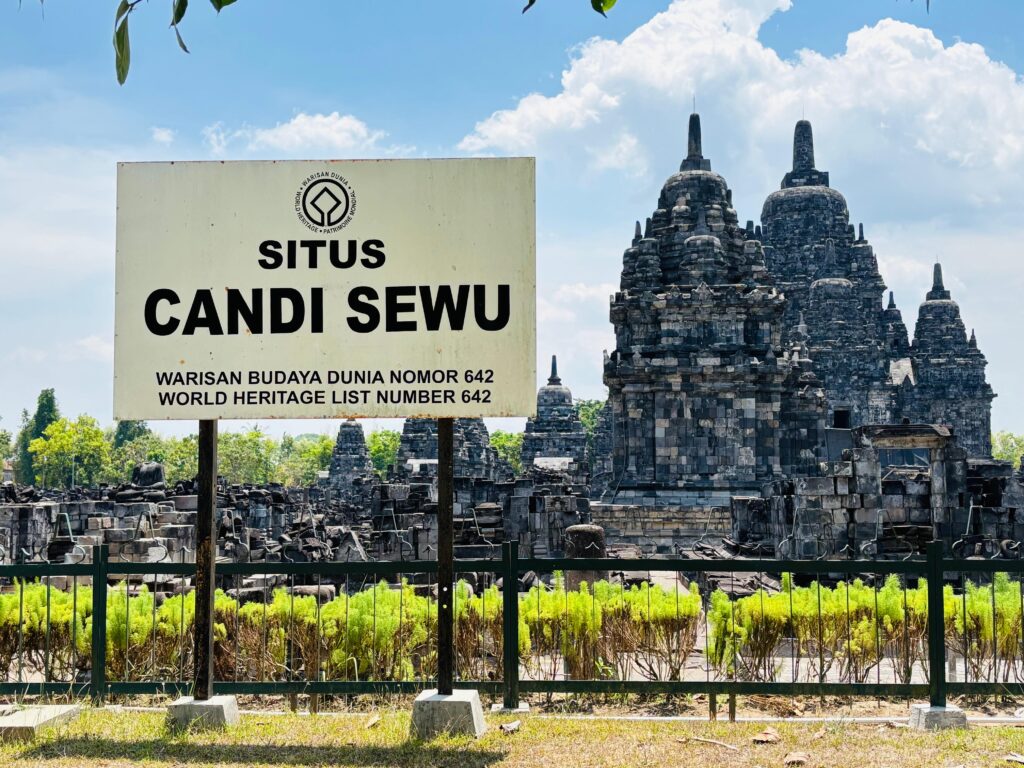
Sewu Temple tells one of the most interesting stories in Indonesian history, how Buddhism and Hinduism lived side by side in ancient Java, sometimes literally sharing the same neighbourhood.
Built in the 8th century around the same time as Prambanan’s main Hindu temples, Sewu Temple was once a fascinating Buddhist monastery complex.
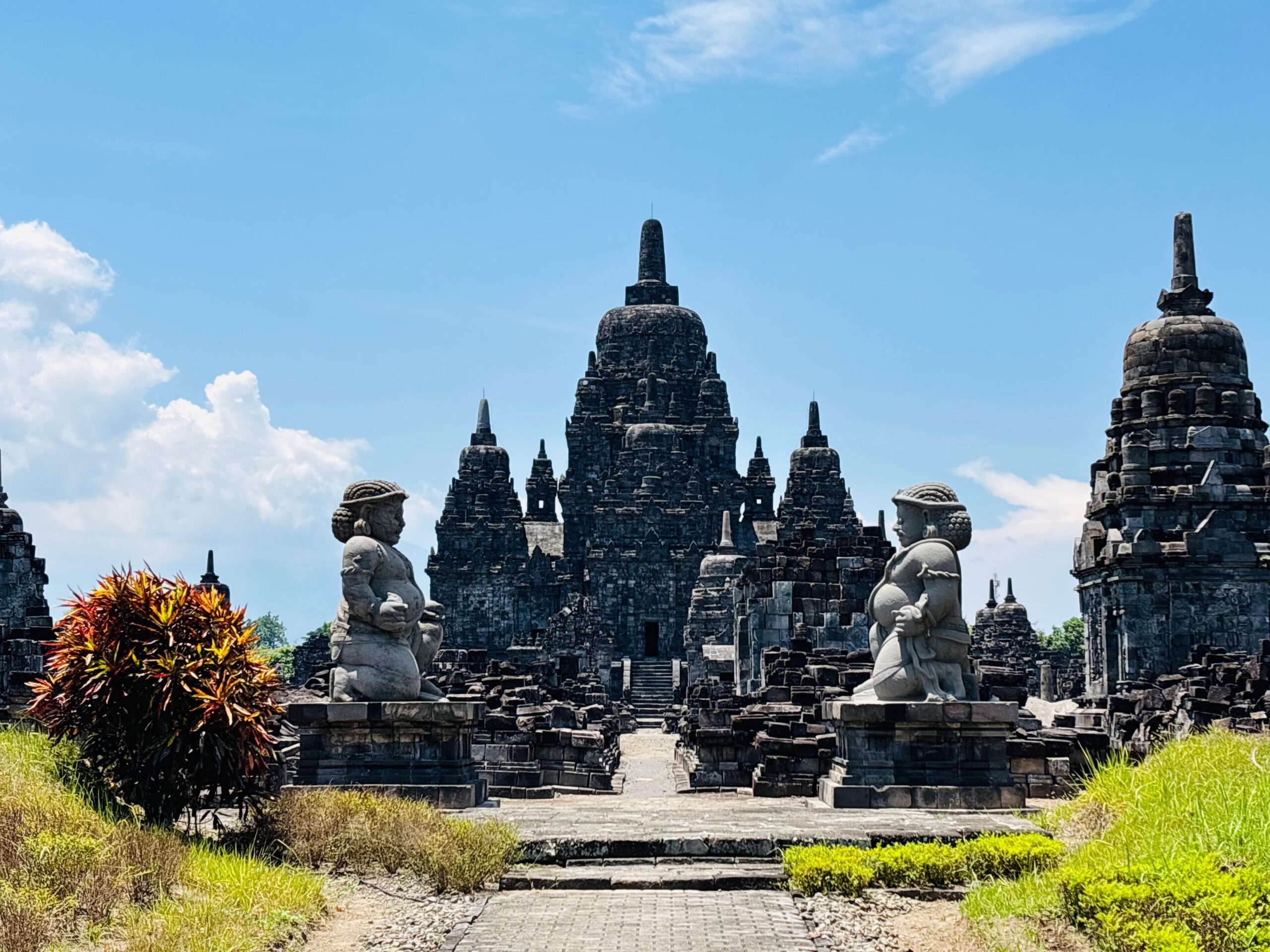
Fun fact: despite its name “Sewu” meaning “thousand,” the complex actually had 249 temples, still making it the second-largest Buddhist temple site in Indonesia after Borobudur. Its main cover even stands taller than Prambanan’s iconic towers, yet you’ll often find yourself exploring with hardly anyone around.
What makes Sewu Temple truly special is its unique position as a Buddhist shelter flourishing within what became the largest Hindu temple complex in Indonesia. This wasn’t an accident or some ancient real estate mix-up. It reflects the incredible religious tolerance of the Sailendra dynasty, who ruled central Java during this golden period.
The main temple stands 29 meters high, making it the tallest structure in the entire Prambanan complex and you won’t believe it but it is even taller than the famous Prambanan temples themselves. The central sanctuary was dedicated to Manjusri, the Buddhist bodhisattva of wisdom, and was surrounded by smaller temples housing other Buddhist deities and serving various ceremonial purposes.
Unlike the dramatic vertical lines of Hindu architecture, Sewu Temple showcases classic Buddhist design with its broad, horizontal layout and peaceful courtyard arrangement. Walking through the complex feels completely different from exploring Prambanan’s towering spires—it’s more meditative, more grounded, more human in scale.
The temple complex succeeded for several centuries before gradually being abandoned as political power shifted and religious practices evolved. Nature slowly reclaimed the site, and by the time Dutch archaeologists rediscovered it in the 1800s, most of the smaller temples had crumbled into romantic ruins scattered across the landscape.
Today, ongoing restoration work continues to reveal more of Sewu Temple’s original grandeur, making each visit potentially different from the last as new sections are opened and ancient stones are carefully repositioned.
Where to Find Sewu Temple
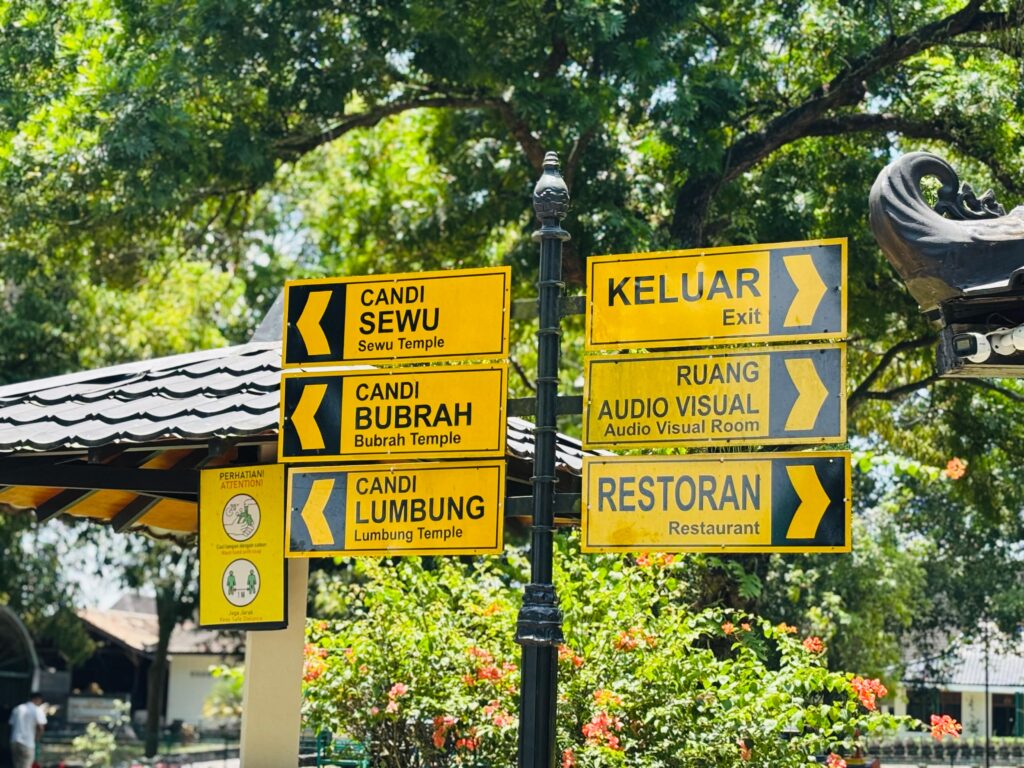
Finding Sewu Temple is easier than you might think, once you know where to look. It sits within the same archaeological park as Prambanan Temple, just a pleasant 10-minute walk north of the main Hindu temple complex, about 1 kilometers from the main Shiva temple at Prambanan
Most visitors never make it to Sewu because they follow the main tourist flow directly to Prambanan’s towering temples, spend their time there, and then head straight back to the exit. It’s like going to a huge museum and only visiting the lobby, you’re missing the best parts.
From the main Prambanan temples, simply head north along the clearly marked walking paths. You’ll pass through some beautifully maintained gardens and smaller temple ruins before Sewu Temple’s impressive main structure comes into view. The walk itself is part of the experience, offering great views of the surrounding countryside and Mount Merapi in the distance.
The temple complex covers a massive area, about 17 hectares in total, so don’t expect to see everything in a quick 15-minute visit. The main central temple is the obvious starting point, but the real magic happens as you wander through the surrounding ruins and discover smaller temples tucked away in corners of the complex.
Unlike the main Prambanan area which can get quite crowded, especially on weekends and holidays, Sewu Temple maintains a peaceful atmosphere throughout most of the day. You’ll often find yourself with large sections of the complex entirely to yourself, making it perfect for photography, quiet reflection, or simply enjoying ancient architecture without the usual tourist chaos.
The best approach is to budget at least an hour for Sewu Temple, though many visitors find themselves staying much longer once they discover how much there is to explore.
Read also : What is Merapi Lava Tour
Ticket Price and Entry of Sewu Temple
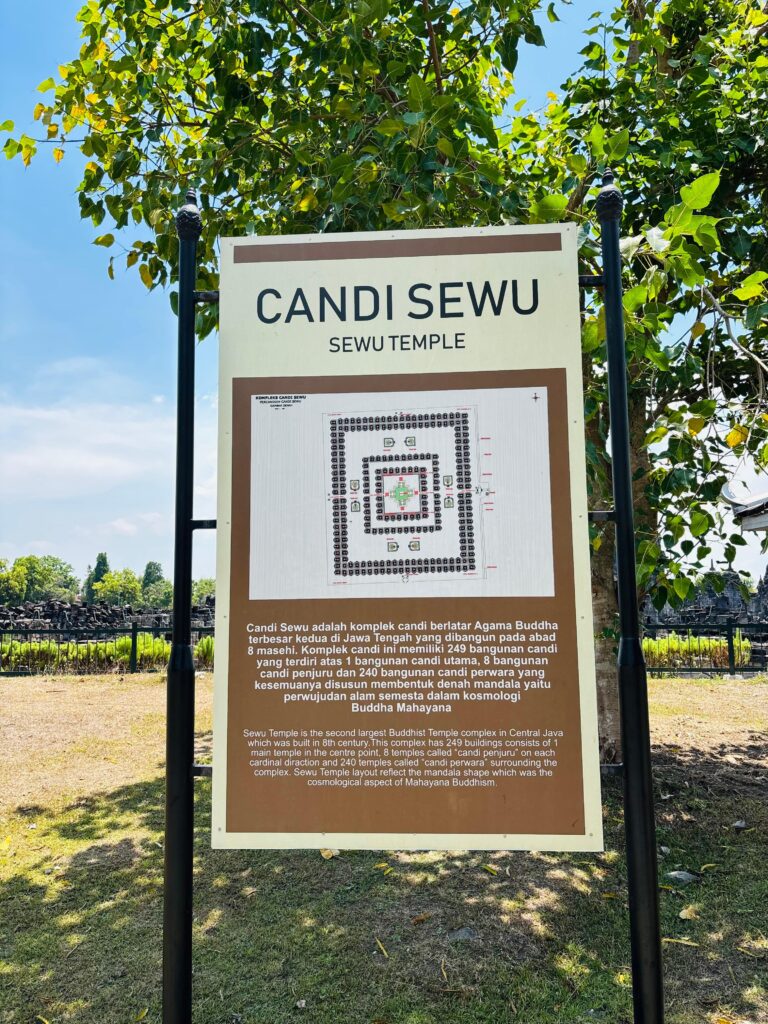
One of the best things about Sewu Temple is that visiting won’t cost you an extra rupiah. Your entrance ticket to Prambanan Temple automatically includes access to the entire archaeological park, which covers Sewu Temple, several other smaller temple complexes, and all the walking paths connecting them.
As of 2025, entrance fees for the Prambanan archaeological park are:
International Visitors:
- Adults: USD 25 (approximately 400,000 IDR)
- Children (under 10 yo): USD 15 (approximately 225,000 IDR)
- Children under 2 yo: Free
Domestic Visitors (Indonesian Citizens):
- Adults: USD 3.05 (50,000 IDR)
- Children over under 10 yo: USD 1.5 (25.000 IDR)
- Children under 2 yo: Free
This might seem like a significant investment for a temple visit, but remember you’re getting access to multiple temple complexes spread across a huge area. When you break it down per temple, it’s actually excellent value—especially since most visitors only explore about 30% of what their ticket includes.
Read also : The best sunset point in Yogyakarta
Where and How to Buy Tickets of Sewu Temple :
On-site purchases: Available at the main ticket counter near the entrance gate. Arriving before 8:00 AM helps avoid crowds, as 70% of on-site purchases happen on weekends. The average queue during peak hours is 12-15 minutes.
Online booking: Purchase through our official websites such as Traveloka app. Online buyers get promotional discounts up to 10% during holiday seasons, plus the convenience of barcode scanning at entrance gates.
Tour packages: Many local agencies offer comprehensive packages including transportation, guide, and entrance tickets, often with better value for money.
Payment is accepted in cash (Indonesian Rupiah), debit cards, credit cards, and digital wallets. The ticket is valid for one full day, so you can take your time exploring both Prambanan and Sewu temples without rushing.
Keep your ticket with you throughout your visit, as security guards may ask to see it at various checkpoints around the complex. If you lose your ticket, you’ll need to purchase a new one, so be sure to keep it in a safe place.
For your convenience, I have arranged a special package that can provide you with all the ease.
Book your package right here,
- Prambanan and Sewu Temple Sunset Tour
- Borobudur and Prambanan Temple Tour
- Prambanan and Sewu Temple at sunset, Dinner in Ramashinta Resto and Ramayana Ballet
Opening Hours of Sewu Temple
Sewu Temple follows the exact same operating schedule as the rest of Prambanan archaeological park:
Daily hours: 6:00 AM to 5:00 PM (last entry at 4:30 PM)
The early opening time is perfect for beating both the crowds and the heat. Arriving around 7:00 AM gives you the entire complex virtually to yourself, with soft morning light that’s ideal for photography. The only downside of early visits is that you’ll miss the famous sunset views that make Sewu Temple special.
For sunset seekers, plan to be at Sewu Temple by 4:00 PM at the latest. This gives you time to explore the complex and find your perfect sunset viewing spot before the golden hour begins around 5:30 PM (times vary by season).
The temple complex is closed on major Indonesian holidays like Nyepi (Balinese New Year), though these closures are usually announced in advance. During Ramadan, operating hours may be slightly adjusted, but the temple typically remains open for normal tourist visits.
Unlike some temples that offer special early morning or evening access for additional fees, Prambanan keeps things simple with one entrance fee and one set of hours for everyone.
Other Hidden Temples Near Sewu Temple
With all these small descriptions, A good small picture will go better to enhance this section.
Sewu Temple isn’t the only hidden gem within the Prambanan complex. Once you start exploring beyond the main tourist areas, you’ll discover several other fascinating temple ruins that most visitors completely miss.
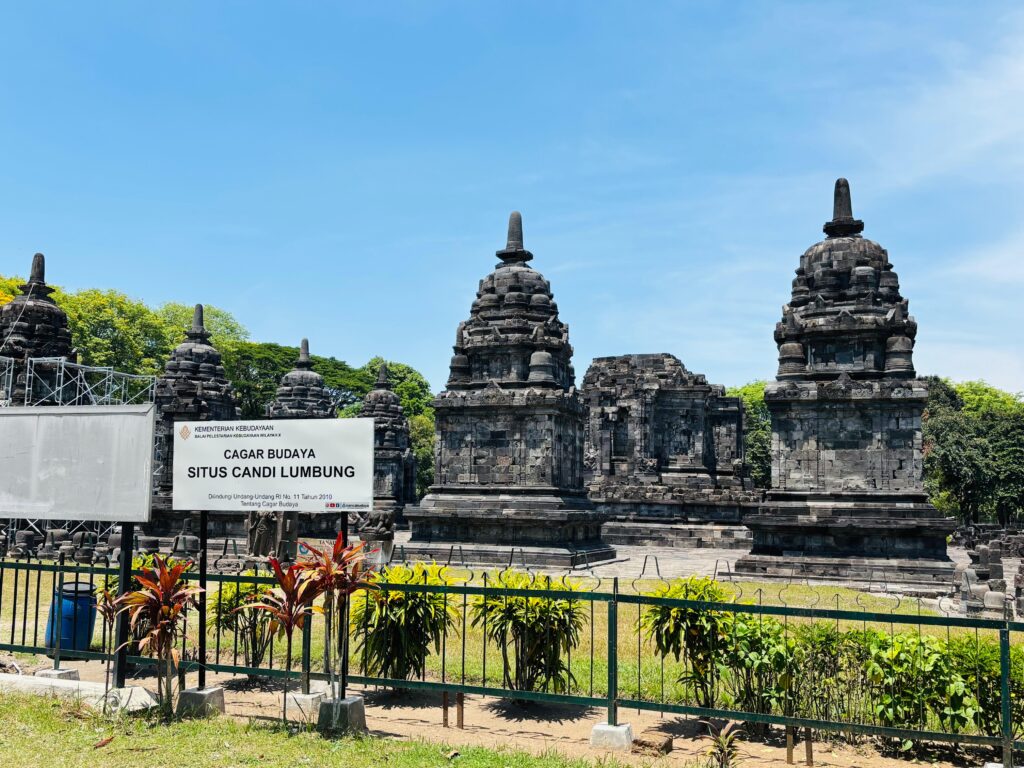
Lumbung Temple sits just southeast of Sewu Temple and offers a perfect example of how nature and architecture can create something beautiful together. The partially restored ruins are surrounded by ancient trees and make for incredibly atmospheric photography, especially in the late afternoon light.
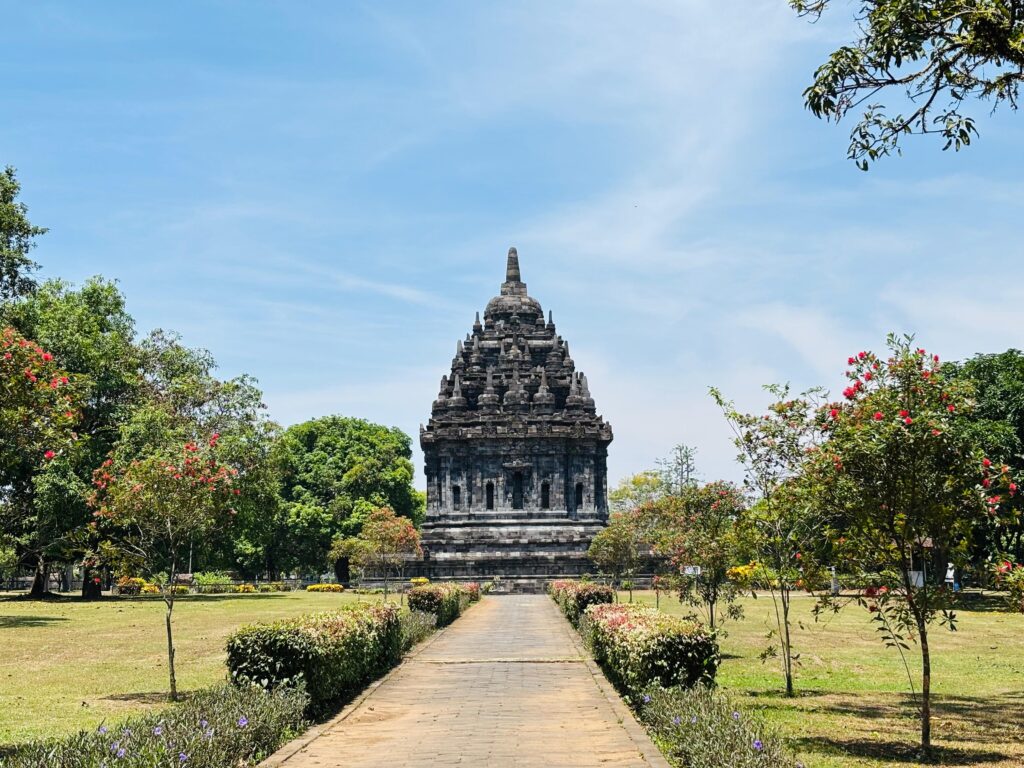
Bubrah Temple lies a short walk southwest of Sewu. This Buddhist temple is still largely in ruins, which actually adds to its mysterious charm. You can climb around the fallen stones and imagine what the complex looked like during its 8th-century heyday.
Temple near Prambanan Complex (outside the main park)
Kalasan Temple, located 2 kilometers east, is one of the oldest Buddhist temples in Central Java, built in 778 AD. The temple’s unique architecture combines Buddhist and Hindu elements, and its relatively isolated location means you’ll often have it entirely to yourself.
Sari Temple sits nearby Kalasan and was originally a Buddhist monastery. The two-story structure is unusual among Javanese temples, and climbing to the upper level gives you great views of the surrounding countryside.
Plaosan Temple complex, about 1.7 kilometers northeast, consists of two main temples (East and West) surrounded by dozens of smaller shrines. This Buddhist complex features a unique twin-temple design and some of the finest stone carvings in the region.
Banyunibo Temple, the furthest from the main complex at 4 kilometers southeast, is a small but perfectly preserved Buddhist temple. Its isolation means fewer visitors, but the intricate carvings and peaceful setting make the journey worthwhile.
Sojiwan Temple lies 4 kilometers southeast and showcases beautiful relief panels telling Buddhist stories. The temple’s remote location in the middle of villages gives you a glimpse of how these ancient sites fit into modern Javanese life.
And you know what?
The walk between temples takes you through beautifully maintained parkland with huge old trees providing shade and plenty of spots to rest. It’s common to see local families having picnics between the temple ruins, adding a lovely human element to the ancient landscape.
Budget at least a full day if you want to properly explore Sewu Temple plus the surrounding smaller temples. Most visitors find this becomes the highlight of their entire Prambanan experience, offering a deeper understanding of how Buddhism and Hinduism coexisted in ancient Java.
Read also : The Legend of Roro Jonggrang
The Perfect Ending to Your Temple Day
Sewu Temple becomes magical when the sun starts going down. While most tourists head back to their hotels, smart visitors stay at Sewu Temple for amazing sunset views.
The temple sits high up with clear views across the countryside toward Mount Merapi volcano. On sunny days, the mountain looks like a dark shape against the colourful evening sky. The old temple stones make great photo backgrounds.
The golden light makes the grey temple stones look warm and glowing. This is the best time for photos. Even phone cameras take great pictures in this light.
Sunset happens between 5:30 PM and 6:00 PM depending on the season. Come 30 minutes early to find your spot and watch the light change.
After sunset, the temple closes quickly. Be ready to walk back to the entrance when it gets dark. Most people love this timing, you see both the amazing temples and one of Indonesia’s most beautiful sunsets.
What to Wear at Sewu Temple
Choosing the right outfit for Sewu Temple can make or break your experience. Unlike air-conditioned museums, you’ll be spending hours walking on uneven ancient stones under the Indonesian sun, so comfort and practicality should be your top priorities.
Essential Clothing Guidelines:
Footwear is important: Wear closed-toe shoes with good grip. The ancient stones can be slippery, especially in the morning when there’s dew, and flip-flops won’t give you the stability you need when climbing temple steps. Comfortable sneakers or hiking shoes work best. Avoid brand new shoes that haven’t been broken in—you’ll be doing a lot of walking.
Cover up respectfully: While Sewu Temple doesn’t enforce strict dress codes like active religious sites, showing respect through modest clothing is always appreciated. This means covering shoulders and knees. Long pants or knee-length shorts work well, paired with t-shirts or light long-sleeve shirts.
Choose breathable fabrics: Cotton and linen are your friends in Indonesia’s humidity. Synthetic fabrics that don’t breathe will leave you uncomfortable and sweaty. Light colors reflect heat better than dark ones, though they show dirt more easily if you’re planning to climb around ruins.
Sun protection essentials: A wide-brimmed hat is invaluable for the long walks between temples. Sunglasses are essential not just for comfort but for photography—you’ll be squinting a lot without them. Consider bringing a light scarf or bandana for extra neck protection.
Layer smartly: Mornings can be surprisingly cool, while afternoons get blazing hot. A light jacket or cardigan that you can tie around your waist once it warms up gives you flexibility throughout the day.
What NOT to wear:
- High heels or dress shoes (you’ll twist an ankle)
- All white (shows every speck of dirt from the temple stones)
- Heavy jeans (too hot and restrictive for climbing)
- Jewelry that might catch on stones or get lost
- Anything too tight (you’ll be doing lots of bending and climbing)
Seasonal considerations: During dry season (April-October), focus on sun protection and light layers. During rainy season (November-March), bring a light raincoat and quick-dry fabrics. Even if rain isn’t forecast, afternoon showers can surprise you.
Essential Equipment and What to Bring
The right gear can transform your Sewu Temple visit from good to absolutely amazing. Here’s what experienced temple visitors always pack:
Photography Equipment:
- Camera with extra batteries: Temple exploration drains camera batteries faster than normal sightseeing. The combination of lots of photos plus reviewing them on the LCD screen in bright sunlight kills power quickly.
- Portable phone charger: If you’re relying on your smartphone for photos, a portable battery pack is essential. You’ll be taking way more photos than expected.
- Lens cleaning kit: Temple dust gets on camera lenses constantly. A simple lens cloth and cleaning solution keeps your photos sharp.
Read also : Borobudur Temple Ticket Price
Read also : Yogyakarta Palace Complete Guide
Read also : Tamansari Watercastle Complete Guide
Comfort and Safety Gear:
- Water bottle: Bring at least 1 liter per person, more if visiting during hot season. There are limited water sources at Sewu Temple compared to the main Prambanan area.
- Small backpack: Something comfortable for carrying water, snacks, and camera gear during long walks between temples.
- First aid basics: Band-aids for minor scrapes from temple stones, pain reliever for headaches from heat or sun, and any personal medications.
- Flashlight or headlamp: If you’re staying for sunset, you’ll be walking back in dim light. Phone flashlights work but drain battery.
Weather Protection:
- Sunscreen SPF 30+: Reapply every 2 hours. The combination of direct sun and reflection off light-colored temple stones intensifies UV exposure.
- Insect repellent: Mosquitoes and other bugs are more active around the tree-covered temple areas, especially near sunset.
- Small towel: For wiping sweat and cleaning hands after touching dusty temple stones.
Optional but Helpful:
- Portable chair or mat: For comfortable sunset watching. Many visitors end up sitting on temple stones, which gets uncomfortable after a while.
- Snacks: Granola bars or fruit to maintain energy during long exploration sessions.
- Cash: For parking fees, snacks from vendors, or tips for helpful local guides.
Food and Restaurants Around Sewu Temple
After all the hectic temple day, food is what comes to mind first. Planning your meals around a Sewu Temple visit requires some strategy since dining options directly at the temple complex are limited. Here’s how to handle food during your temple adventure:
Food Options Within Prambanan Complex:
The main Prambanan area has a few basic food stalls and a small restaurant near the entrance, but options are limited and tend to be overpriced tourist fare. The food isn’t bad, but it’s nothing special either. Most items are simple Indonesian dishes like nasi gudeg, gado-gado, and fried rice, priced at about double what you’d pay outside the complex.
Near Sewu Temple itself, food options are practically nonexistent. You might find a occasional snack vendor with drinks and crackers, but don’t count on it for a proper meal.
A Special Experience: Dinner with a View of Prambanan
If you’re looking for something more than just food, something that blends culture, history, and dining, the Rama Shinta Garden Resto is your best bet. Located right next to Prambanan, it offers traditional Javanese cuisine with stunning temple views, especially magical at sunset.
The easiest way to enjoy it is by booking the Prambanan Sunset + Ramayana Ballet + Dinner at Rama Shinta Resto Package. This combines three highlights into one smooth evening:
- Watch the sun set over Prambanan’s ancient spires.
- Enjoy the world-famous Ramayana Ballet, performed in an open-air theatre with the temple as its backdrop.
- End the night with a traditional dinner at Rama Shinta Garden Resto, just steps away from the performance.
Instead of juggling separate bookings and transport, the package gives you a seamless cultural and culinary experience in one go, perfect if you want your day around Sewu and Prambanan to end on a high note.
There are some other options as well if you can walk or travel this much !
Practical Tips for Hunger Pangs!
- Morning visits: Eat breakfast at your hotel first.
- All-day visits: Take a lunch break outside the complex around 11–12.
- Sunset visits: Book the Ramayana Ballet Package in which you’ll cover dinner and Ramayana Ballet Performance in one plan.
Read also : Ramayana Ballet Prambanan Story, Schedule and Ticket Price
Read also : All details about Mendut and Pawon Temple
Transportation Options and Costs to Sewu Temple
Getting to Sewu Temple means getting to Prambanan Temple Complex, since they’re in the same location. Here are all your transportation options from Yogyakarta:
Trans Jogja Bus (Cheapest Option): Take Trans Jogja Bus Route 1A from Malioboro Street or other stops around Yogyakarta. The bus runs every 15-20 minutes and costs only 4,000 IDR (about 25 cents USD). The journey takes 45-60 minutes depending on traffic. Get off at the Prambanan Temple stop—it’s clearly marked and the conductor will help you if needed.
Taxi or Ride-Hailing Apps (Most Convenient): Grab (Indonesia’s version of Uber) or regular taxi from Yogyakarta city center costs 80,000-120,000 IDR one way, taking 30-45 minutes depending on traffic. The return trip can be more expensive since fewer drivers want to come to the temple area.
Motorbike Rental (For Adventurous Travelers): Rent a scooter in Yogyakarta for 70,000-100,000 IDR per day. The ride to Prambanan takes 45-60 minutes through some beautiful countryside. Make sure you have an international driving permit and are comfortable with Indonesian traffic patterns.
Private Car with Driver (Most Comfortable): Hire a private car with driver for the day, costing 400,000-600,000 IDR for 8-10 hours. This works especially well if you’re combining Sewu Temple with other attractions like Borobudur or Sultan Palace.
Organized Tours: Many companies offer Prambanan temple tours starting from 300,000 IDR per person including transportation and guide. This removes all planning stress but limits your flexibility for spending extra time at Sewu Temple.
Money-Saving Transportation Tips:
- Book Grab rides during off-peak hours to avoid surge pricing
- Share taxi costs with other travelers heading the same direction
- Consider staying overnight near Prambanan if visiting multiple days—several budget guesthouses are available
- Combine temple visits with other nearby attractions to maximize your transportation investment
Best Time to Visit Sewu Temple
By Season:
- Dry Season (Apr–Oct): Best overall—clear skies, little rain, great views of Mount Merapi. Expect bigger crowds, especially June–July holidays.
- Rainy Season (Nov–Mar): Quieter and more peaceful. Mornings are usually clear, but afternoon showers are common. Bring rain gear and stay flexible.
By Time of Day:
- Early Morning (6–9 AM): Best time—cool weather, soft light for photos, fewer visitors.
- Mid-Morning (9 AM–12 PM): Starting to get busy, lighting is harsher but still good.
- Midday (12–3 PM): Hottest and most crowded—avoid if possible.
- Late Afternoon (3–6 PM): Beautiful golden light, fewer crowds after 4 PM, great for sunset.
Tips for the Perfect Sewu Temple Experience
Timing is everything: Visit early morning (7-9 AM) for peaceful exploration or late afternoon (4-6 PM) for sunset views. Midday visits can be hot and less photogenic.
Bring water and snacks: There are limited facilities at Sewu Temple compared to the main Prambanan area. A water bottle and some snacks will keep you comfortable during longer explorations.
Wear good walking shoes: You’ll be walking on uneven ancient stones and grassy paths. Flip-flops work, but proper shoes are more comfortable for extended exploring.
Pack light for sunset visits: If you’re staying for sunset, you’ll be walking back to the entrance in dim light. Keep your bag light and bring a small flashlight or use your phone’s light.
Ask locals for hidden spots: The security guards and groundskeepers know the complex incredibly well and are usually happy to point out interesting details or lesser-known viewpoints.
Respect the ruins: While Sewu Temple is less restricted than some sites, remember these are 1,200-year-old structures. Climb carefully and avoid touching fragile carvings.
Combine with Prambanan strategically: See Prambanan’s main temples first (they’re more impressive in direct sunlight), then spend your afternoon and evening at Sewu Temple for a completely different experience.
Conclusion for Sewu Temple
Sewu Temple is not just an add-on to Prambanan, it’s a destination in its own right. Many tourists miss it, heading straight back after seeing Prambanan, but that’s a big mistake. With its peaceful atmosphere, sprawling ruins, and fascinating history, Sewu gives you a completely different perspective on Java’s ancient past.
If you love photography, history, or simply quiet spaces, don’t skip Sewu. Think of it as a hidden treasure within the Prambanan complex, one that rewards those willing to walk just a little further.
And also book the packages we have customized for your ease, through our official websites!
1. Prambanan Temple and Sewu Temple Sunset Tour
2. Pramabanan and Sewu Temple, Dinner at Ramashinta Restaurant and Ramayana Ballet
FAQs for Sewu Temple
- Where is Sewu Temple located?
Sewu Temple is inside the Prambanan Archaeological Park, about a 10-minute walk north of the main Prambanan temples.
- How much is the entrance fee to Sewu Temple?
There’s no separate ticket, entry is included in the Prambanan Temple ticket, which covers both Prambanan and Sewu.
- What is the best time to visit Sewu Temple?
Early morning (6–9 AM) for cooler weather and great photos, or late afternoon (3–6 PM) for sunset views and fewer crowds.
- How old is Sewu Temple?
Sewu was built in the 8th century, around the same time as Prambanan, making it one of the oldest and largest Buddhist temple complexes in Java.
- How long should I spend at Sewu Temple?
Plan at least 1 hour, but history and photography lovers may want more time to explore the ruins and hidden corners.
- Is Sewu Temple Buddhist or Hindu?
Sewu is a Buddhist temple, dedicated to Manjusri, but it sits right next to Prambanan’s Hindu temples, showing how both religions coexisted.
Read also : Pindul Cave Complete Guide
Read also : Tumpak Sewu Waterfall