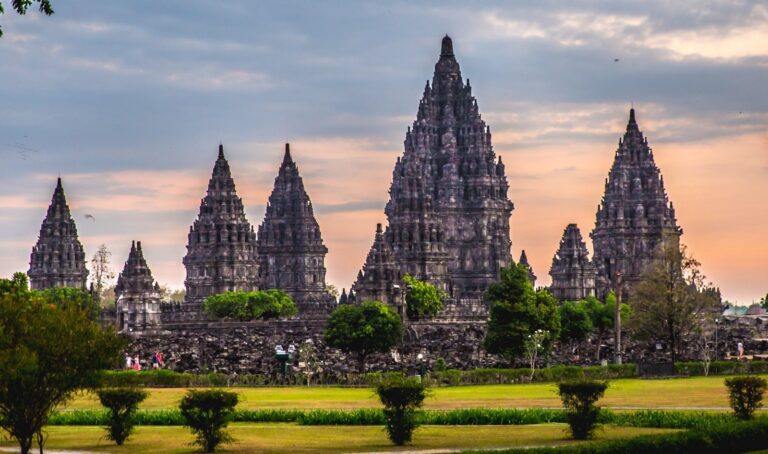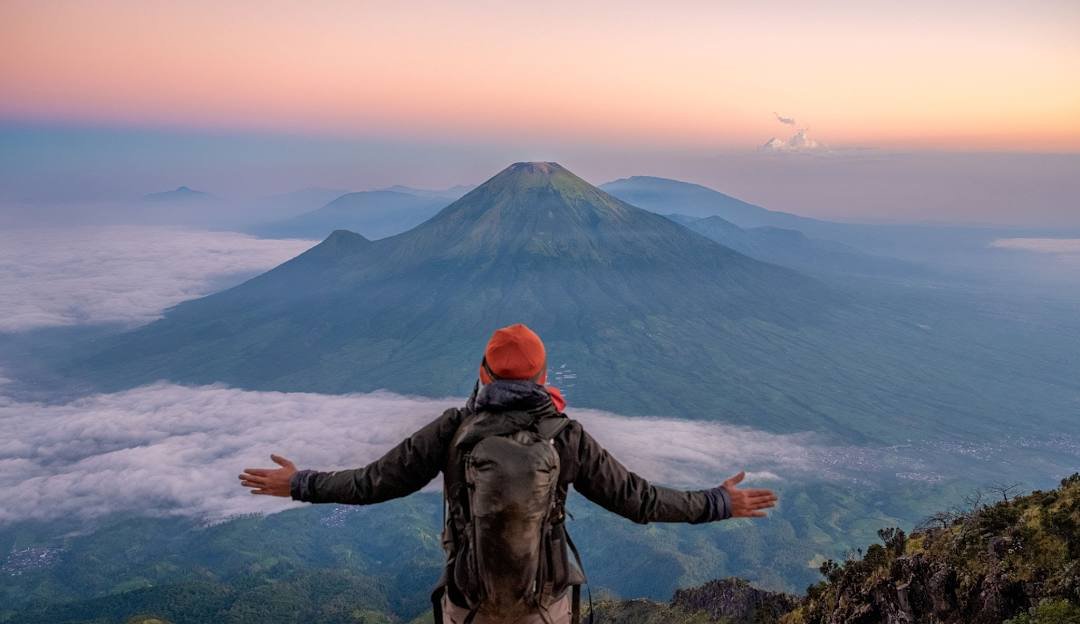
Yogyakarta sits in one of the most dramatic landscapes in Java. Ancient volcanoes rise on three sides of the city. Forested ridges cut the horizon. Rice terraces spill down hillsides between Hindu temples and waterfalls hidden in jungle valleys. Most travelers spend their Yogyakarta days visiting Borobudur and Prambanan, and those are genuinely unmissable. But the region around the city is equally extraordinary on foot, and the trekking options available within a two-hour drive cover everything from a casual morning walk through rice fields to a multi-day summit of one of Java’s most challenging peaks.
This guide covers seven of the best trekking and hiking spots near Yogyakarta, organized roughly from lightest and most accessible to most demanding, so you can find the right fit for your fitness level, available time, and what kind of landscape you want to move through.
Before we continue to the main topics, please consider us, Borobudur Sunrise Tour if you need tour package in Yogyakarta City. We have an excellent review by Trip Advisor or by Viator. You may check our tour package in this link : Yogyakarta Tour or MountBromoIjen.com. You can also send us an email at [email protected] or just simply contact us by pressing the whatsapp button in the right corner.
A. Selogriyo Temple Trekking and Kedung Kayang Waterfall, The Easiest Level of Trekking in Yogyakarta
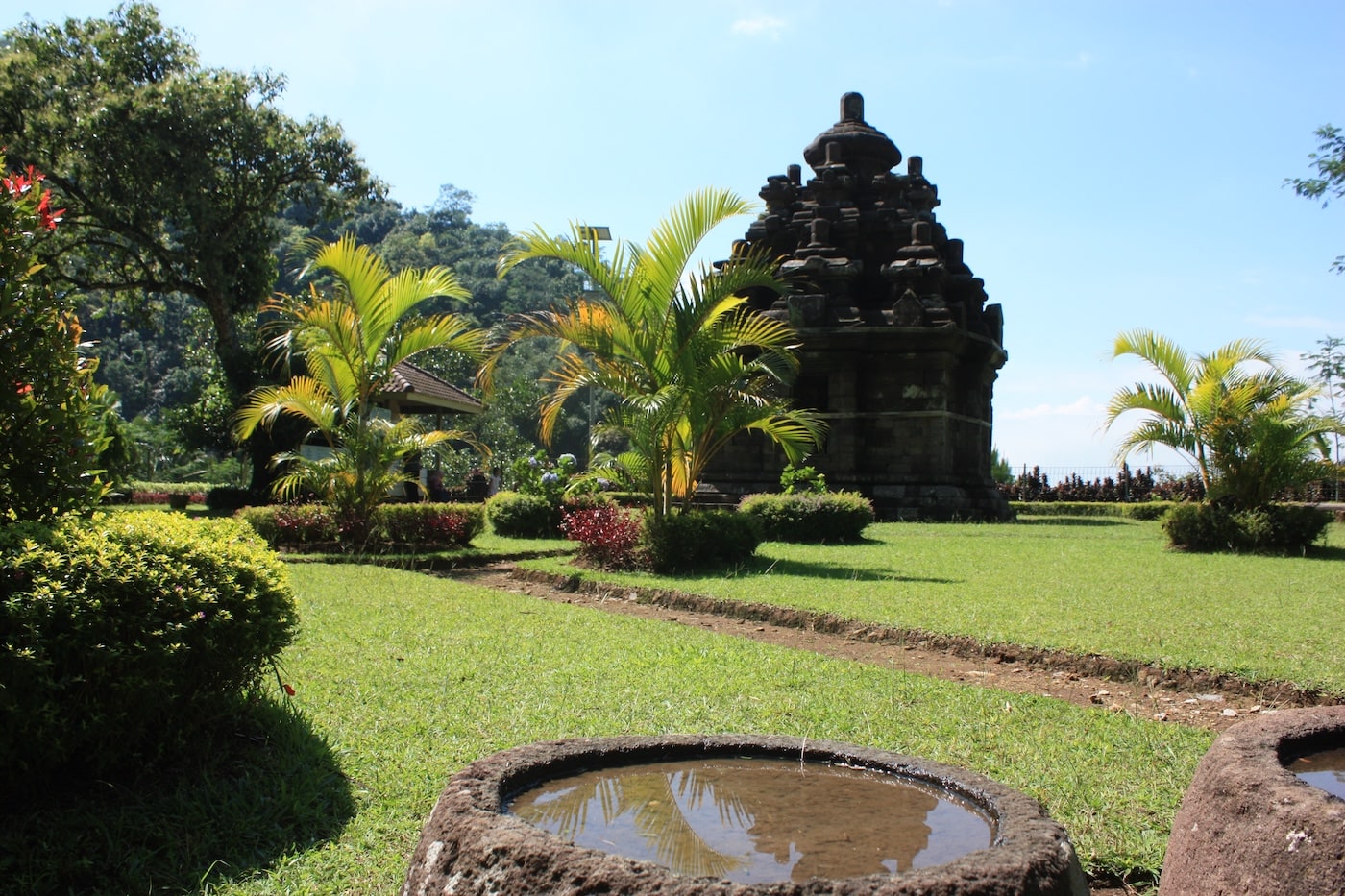
This is the option for travelers who want a genuine trekking experience in Yogyakarta without the altitude, the pre-dawn alarm, or the overnight camping gear. It is also one of the most culturally layered walks in the entire Yogyakarta region, combining a ninth-century Hindu temple hidden in the hillside with a 40-meter waterfall framed by two volcanoes.
Selogriyo Temple sits on the slopes of the Menoreh Hills in Magelang Regency, approximately 40 kilometers northwest of Yogyakarta city. The trail to the temple passes through working rice terraces that cascade down the hillside in tight, vivid green rows. There is no straight path up: you weave between paddies, cross irrigation channels, and climb gradually through farmland that has been under cultivation for centuries. The people working the fields are not performers for tourism. They are farming. The whole walk feels like moving through a landscape that exists on its own terms, not for your visit.
The temple at the top is a single Shiva shrine built during the Mataram Kingdom period, smaller than Prambanan but remarkably well-preserved given its remote hillside location. Stone carvings of Ganesha, Durga, and Agastya remain intact. A local guide at the site explains the temple’s history and its relationship to the surrounding landscape. Standing there on the ridge, with the rice terraces falling away below and Mount Sumbing and Mount Sindoro visible on the horizon, the combination of cultural weight and natural beauty justifies every step of the climb.
After Selogriyo, the tour continues to Kedung Kayang Waterfall, approximately 40 minutes away by vehicle. The 40-meter cascade drops into a rocky basin at 980 meters above sea level, with Mount Merapi and Mount Merbabu framing the view behind it. The short hike down to the waterfall base takes 15 to 20 minutes.
The full day runs from approximately 7:00 AM hotel pickup to 3:30 PM return. No special fitness preparation is needed. The rice terrace walk takes around 2 to 3 hours at a relaxed pace with stops for photos.
Book the Selogriyo Temple Trekking and Kedung Kayang Waterfall tour here. Prices start from USD 30 per person for groups of 5.
B. Nglanggeran Ancient Volcano,The closest Yogyakarta Trekking Spot
Nglanggeran is one of those places that sounds unlikely until you are standing on it. An ancient extinct volcano in Gunung Kidul Regency, approximately 30 kilometers east of Yogyakarta city, Nglanggeran’s summit is not a smooth cone but a cluster of massive volcanic rock formations, some reaching 70 meters high, that create a dramatic ridgeline with panoramic views over the surrounding karst hills and agricultural plains.
The mountain is geologically ancient, formed around 60 million years ago, which makes it significantly older than the active volcanoes that define the Yogyakarta skyline. What remains is the volcanic plug: an exposed rocky core of solidified magma that erosion has carved into a labyrinth of boulders, narrow passages, and elevated platforms. Hiking through it feels part mountain climb, part scramble through a giant geological sculpture garden.
The trail to the summit takes approximately 1 to 1.5 hours from the entrance. The path involves some scrambling over and between boulders, a few sections of metal ladders or rope assists on steeper pitches, and a final open ridge walk to the highest viewpoint. The difficulty is genuinely manageable for anyone in reasonable health. Children capable of a moderate hike can make it to the top with supervision.
The best time to visit is late afternoon for sunset. From the summit at golden hour, the karst landscape of Gunung Kidul glows in warm light and the silhouettes of the volcanic rock formations create a distinctly cinematic backdrop. Early morning visits in clear weather also reveal Mount Merapi and Mount Merbabu to the northwest.
Entrance fee is approximately IDR 15,000 to IDR 20,000 per person. Parking IDR 5,000 for motorcycles. Located in Nglanggeran Village, Patuk District, Gunung Kidul. Around 1 hour by car from Yogyakarta city.
C. Mount Andong, The Easiest Mountain Trekking near Yogyakarta with its best view.
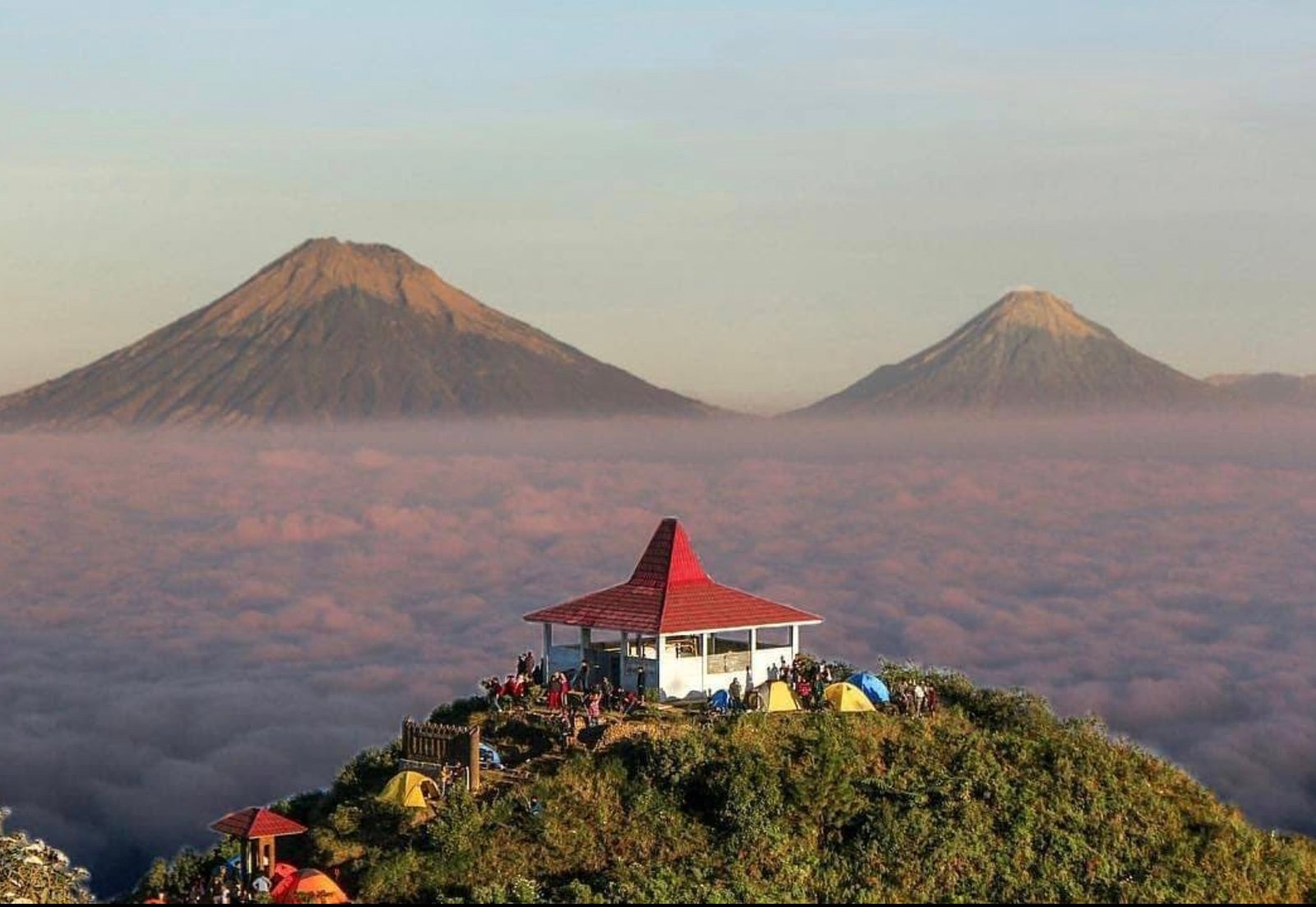
Mount Andong is the right starting point for travelers who want their first proper mountain experience in Java without overcommitting. At 1,726 meters above sea level, it sits well below the demanding altitudes of Merbabu or Sindoro, the trail is clearly marked and well-maintained, and the summit is reachable in 2 to 3 hours from the trailhead even for beginners walking at a comfortable pace.
The mountain sits in Grabag District, Magelang Regency, approximately 50 kilometers north of Yogyakarta. From the standard Sawit trailhead, the path climbs through pine forest and highland scrub before opening onto a broad, grassy summit ridge with 360-degree views. On clear mornings, Mount Merapi, Mount Merbabu, Mount Sindoro, and Mount Sumbing are all visible simultaneously, which is a genuinely remarkable panorama for a mountain that takes only a morning to summit.
Andong is popular with Yogyakarta locals for weekend hikes and is frequently recommended as a family-friendly option. The relatively low altitude means altitude sickness is not a concern. The trail does not require camping equipment or technical gear. Basic hiking footwear, a water bottle, a light jacket for the summit breeze, and a reasonably early start cover everything you need.
Sunrise is the most popular timing. Trailhead departure around 3:00 to 4:00 AM catches the summit just as the sky lightens. For a more relaxed experience, a morning departure arriving at the trailhead by 6:00 AM and summiting by 9:00 AM still delivers excellent views before cloud formation builds.
Book a Mount Andong trekking tour here with private transport from Yogyakarta, guide, and all entrance fees included.
D. Mount Prau, The Medium Trekking / Hiking Level near Yogyakarta
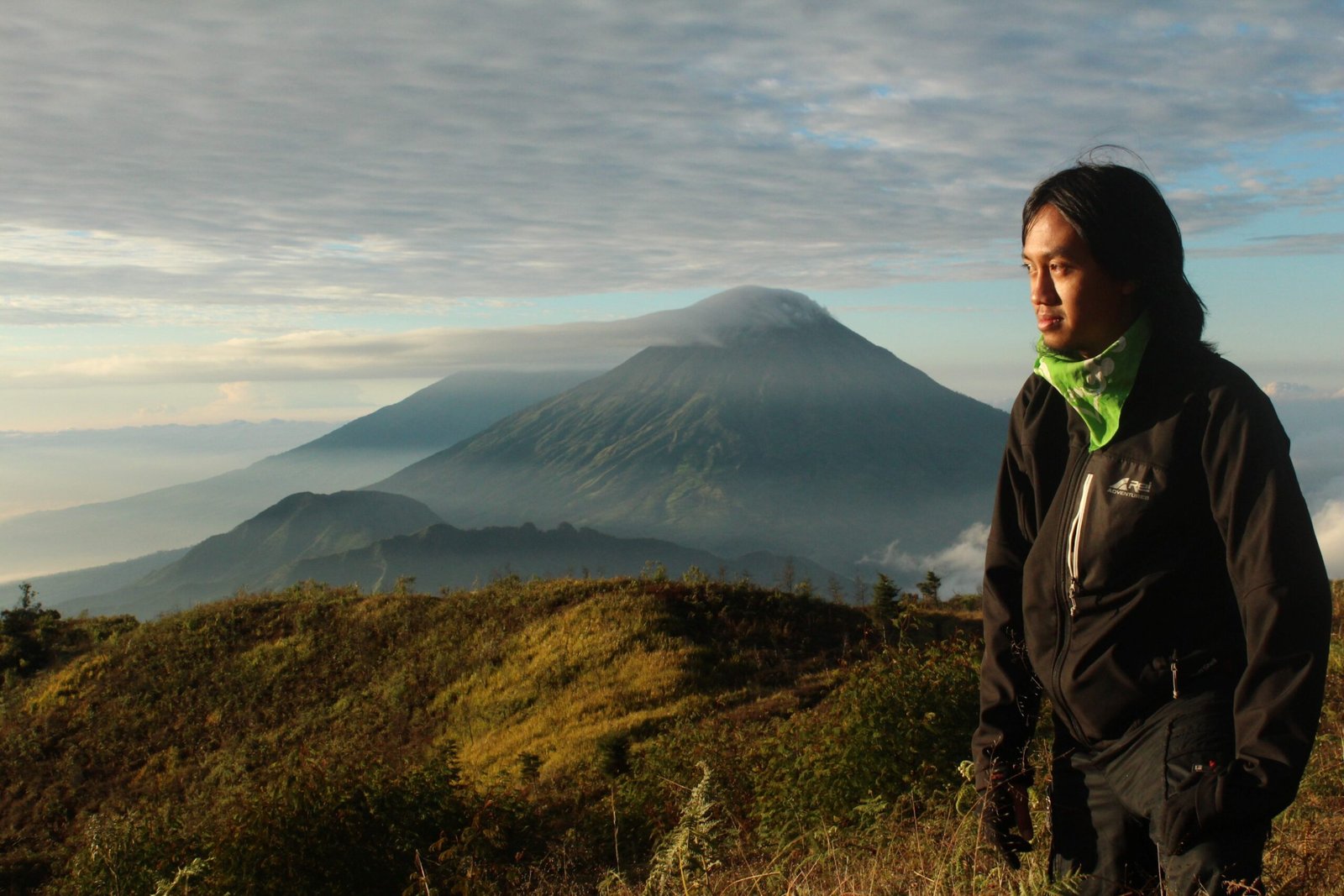
Mount Prau sits at 2,565 meters above sea level on the Dieng Plateau, approximately 120 kilometers northwest of Yogyakarta in Central Java. It is not the tallest mountain near Yogyakarta and it is not the most technically demanding. What it is, consistently and reliably, is one of the most beautiful sunrise viewpoints in all of Java.
The summit of Prau sits on a broad, open highland meadow carpeted in wildflowers during the right season, with an unobstructed view north, east, south, and west over the Dieng Plateau and the surrounding volcanic landscape. At sunrise, with the meadow still cold and the flowers catching the first light, and the peaks of Sumbing, Sindoro, and Merapi all visible on the horizon, the summit feels less like the top of a mountain and more like a plateau above the world.
The standard overnight trek departs from the Patak Banteng trailhead near Wonosobo. The ascent takes 2.5 to 3.5 hours, covering approximately 6 kilometers with around 900 meters of elevation gain. Most trekkers depart in the afternoon, arrive at the summit camp before dark, set up tents, sleep for a few hours, and wake before 4:00 AM for the sunrise. The descent takes 2 to 2.5 hours.
The trail is well-established and Prau is one of the most beginner-accessible overnight treks in Java, making it the natural first overnight mountain experience for travelers who have not camped on a volcano before. The wildflower meadow at the summit, combined with the panoramic views and the manageable difficulty, makes it consistently one of the highest-rated trekking experiences among visitors to the Yogyakarta region.
Book a Mount Prau trekking tour here with private transport, guide, camping equipment, and meals included.
Read also : What Merapi Lava Tour means?
E. Mount Merbabu
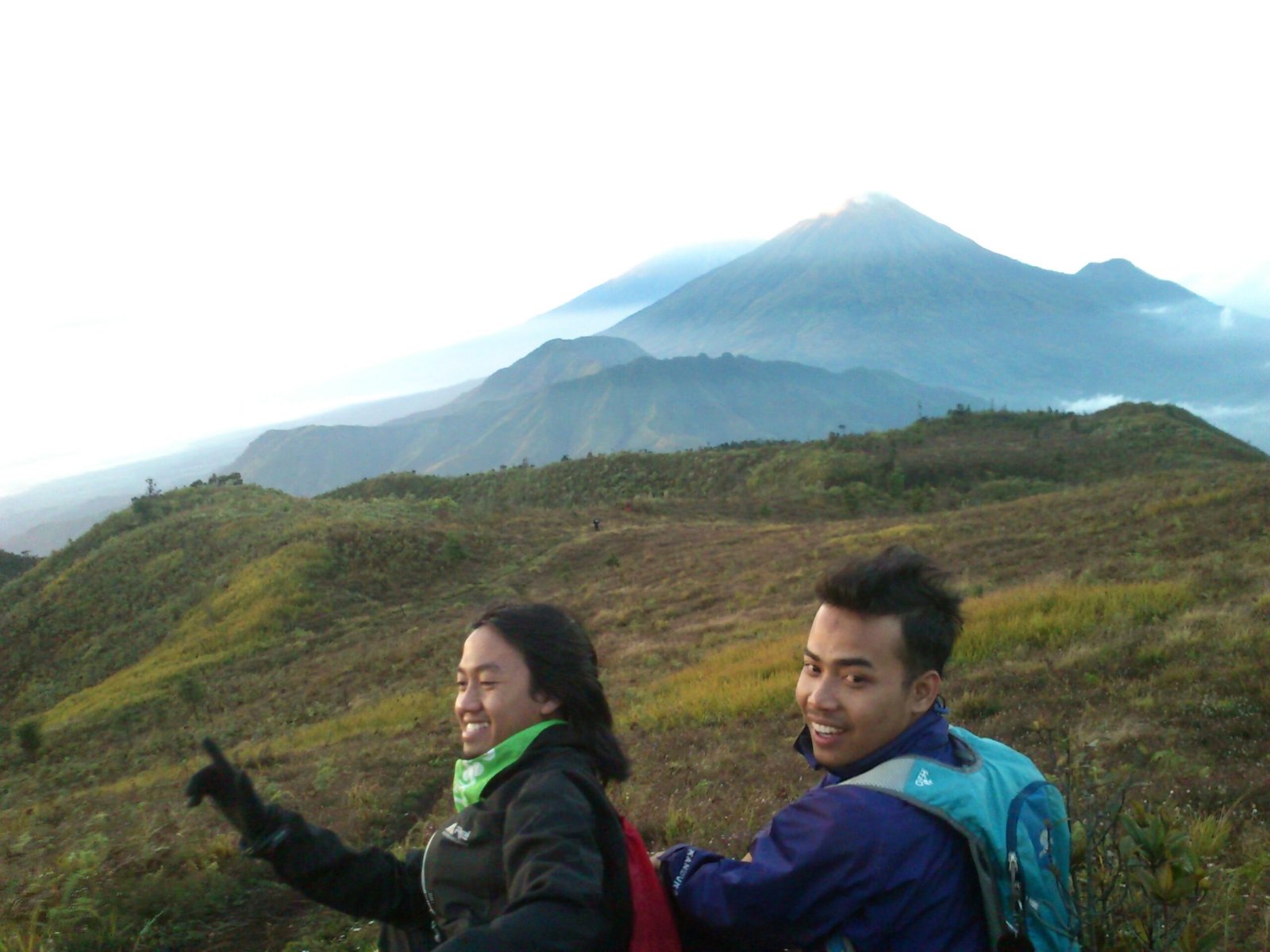
Mount Merbabu is a serious mountain. At 3,145 meters above sea level, it is an inactive stratovolcano sitting directly adjacent to the active Mount Merapi, and its summit delivers one of the most complete panoramas in Central Java: Merapi close and steaming to the south, Sindoro and Sumbing rising to the northwest, the Dieng Plateau stretching to the north, and on clear mornings the coast of Java visible in both directions.
The mountain sits on the border of Magelang and Boyolali regencies, about 30 kilometers north of Yogyakarta. Multiple trail options exist, with Selo Base Camp in Boyolali being the most popular starting point. The Selo route ascends through savanna grasslands, volcanic rock formations, and two subsidiary craters before reaching the main summit at Triangulasi Peak. The ascent takes 6 to 8 hours depending on pace and fitness. Most trekkers do this as a 2-day 1-night trek: afternoon departure from basecamp, summit camp overnight, sunrise at the top, descent the same day.
What makes Merbabu Trekking different from Prau is the physical commitment required. The elevation gain is substantial, the trail steeper and longer, and altitude awareness becomes relevant above 2,500 meters. Trekkers who have done Prau and want to step up to a genuine volcano summit will find Merbabu the natural progression. It requires a decent fitness base, appropriate layering for summit temperatures that drop below 5 degrees Celsius before dawn, and a competent guide who knows the route.
The summit view, with Merapi’s active crater smoking directly across from you as the sun rises, is as good as any mountain viewpoint in Java.
Book a Mount Merbabu Trekking Tour here with private transport, certified guide, camping equipment, and all meals included.
F. Mount Sindoro
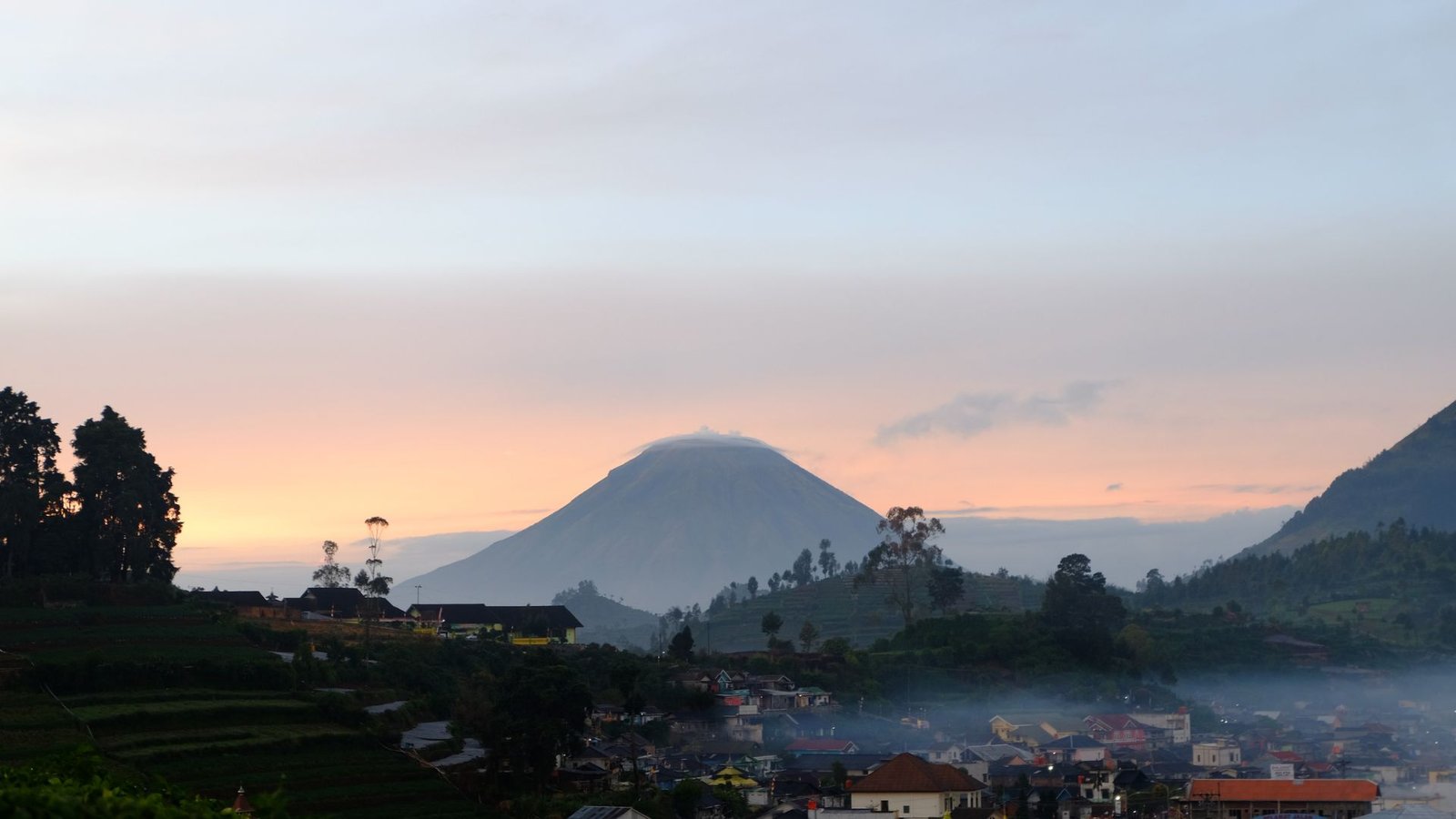
Mount Sindoro stands at 3,153 meters above sea level in Temanggung Regency, Central Java, approximately 100 kilometers northwest of Yogyakarta. It is a semi-active stratovolcano with a crater lake at its summit and a trail that passes through multiple distinct vegetation zones: dense tropical forest in the lower sections giving way to highland scrub, then open volcanic slopes, then the barren rocky summit cone.
Sindoro receives significantly fewer trekkers than Merbabu or Prau, which means the summit experience is quieter and more remote. The trail from Kledung Pass, the standard starting point between Sindoro and its twin Sumbing, is steep and demands solid fitness across the full ascent. The climb takes 7 to 9 hours depending on pace and conditions, making it a genuine overnight endeavor with a summit push starting around midnight for sunrise timing.
The summit crater lake, when visible through the early morning mist, is one of the more unusual sights available to trekkers in Central Java. The barren volcanic rock and the steam from the fumaroles around the crater rim create an otherworldly atmosphere that feels completely different from the grassy meadows of Prau or the savanna slopes of Merbabu.
Because Sindoro is less frequently guided than the more popular peaks, choosing a competent, experienced guide through a reputable operator is particularly important. The trail conditions and weather at this altitude require someone who knows the mountain well.
Book a Mount Sindoro Trekking Tour here.
G. Mount Sumbing
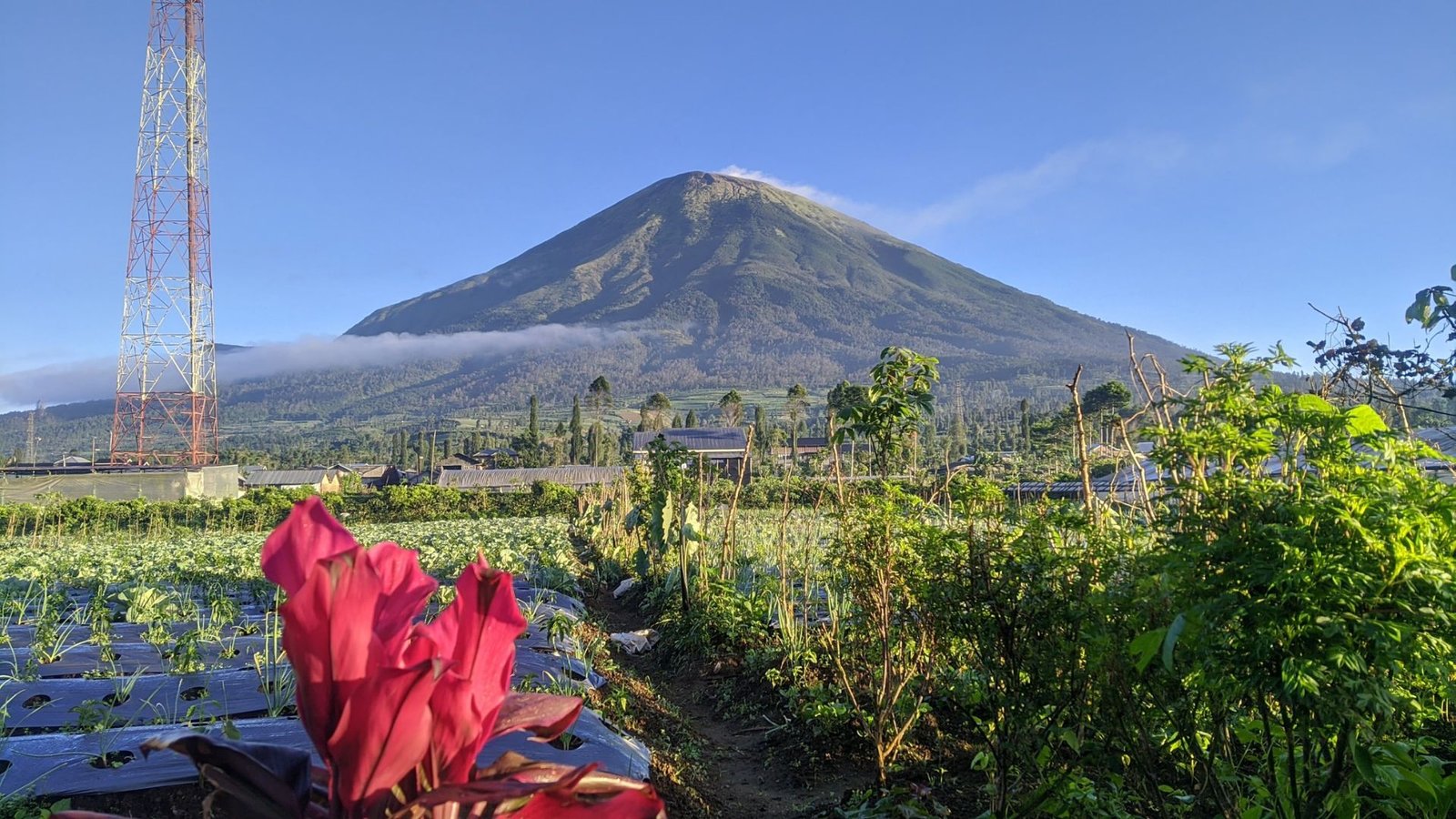
Mount Sumbing is Sindoro’s twin, visible across Kledung Pass and rising to 3,371 meters above sea level, making it the third highest volcano in Java after Semeru and Slamet. The two mountains face each other across the pass in a pairing that defines the Central Java highland skyline and is visible from as far away as Yogyakarta city on clear days.
Sumbing is the more physically demanding of the twin peaks. The trail from Garung Village on the western flank is the most commonly used route, ascending through forest, then open grassland, then volcanic gravel slopes to the summit rim. The full ascent takes 8 to 10 hours at a steady pace. The summit offers a broad, dramatic crater with fumarolic activity, and the panorama includes Sindoro directly across the pass, Prau and the Dieng Plateau to the north, Merapi and Merbabu to the east, and on exceptional days the Indian Ocean to the south.
Sumbing is genuinely demanding and should not be attempted without appropriate preparation, proper gear including warm layering, trekking poles, and headlamps, and a certified local guide. It is the right mountain for experienced trekkers who want the most challenging summit available within reach of Yogyakarta, and the combination of physical difficulty, altitude, and the twin-peaks landscape on descent makes it one of the most rewarding completes available in Central Java.
Some experienced trekkers combine Sindoro and Sumbing into a single multi-day itinerary via Kledung Pass, summiting both peaks across consecutive days.
Book a Mount Sumbing trekking tour here.
How to Choose the Right Trek in Yogyakarta
No trekking experience, limited fitness: Selogriyo Temple and Kedung Kayang Waterfall. A beautiful, culturally rich half-day walk through rice terraces with a waterfall finish. No altitude, no camping, no technical challenges.
First mountain experience, good general fitness: Mount Andong or Nglanggeran Ancient Volcano. Both are accessible day hikes with excellent views and manageable trails. Andong gives the better mountain summit experience. Nglanggeran gives the more unusual geological landscape.
First overnight trek, moderate fitness: Mount Prau. The most beginner-friendly overnight volcano trek in the Yogyakarta region. Excellent sunrise views, wildflower meadow summit, well-established trail and guide network.
Experienced day hiker, ready for a real summit: Mount Merbabu. A serious overnight volcano trek with a genuine high-altitude summit, stunning panorama, and the active Merapi as a close neighbor.
Experienced trekker, want something remote and demanding: Mount Sindoro or Mount Sumbing. Both require solid fitness and proper preparation. Sindoro for the crater lake and relative quietness. Sumbing for the altitude, the difficulty, and the twin-peaks dynamic with Sindoro across the pass.
Practical Tips for Trekking Near Yogyakarta
Book guides through reputable operators. For any trek above Andong difficulty, a local guide with mountain certification is not optional. Trails above 2,500 meters are not always clearly marked and weather conditions can change fast.
Pack layers. Summit temperatures near all of these mountains drop significantly before dawn. Even Andong at 1,726 meters feels cold at 5:00 AM. Bring a proper jacket regardless of how warm Yogyakarta city feels.
Dry season is best. May through October offers the most reliable clear skies and the best summit visibility. November through April brings rain that makes trails slippery and cloud that can block views entirely. Trekking in the rainy season is possible but views are less reliable.
Start early. Cloud formation typically builds from late morning across all of these mountains. Summit arrivals before 7:00 AM consistently deliver better views than late morning arrivals.
Browse all available trekking packages near Yogyakarta at borobudursunrise.com/product-category/trekking. All tours include private transport from Yogyakarta, experienced local guides, and full logistics support.
Read also : Borobudur Ticket Price
Read also : All Information about Prambanan Temple
Read also : Ramayana Ballet Prambanan
Read also : Jakarta to Yogyakarta by Train
Read also : How many airports are in Bali