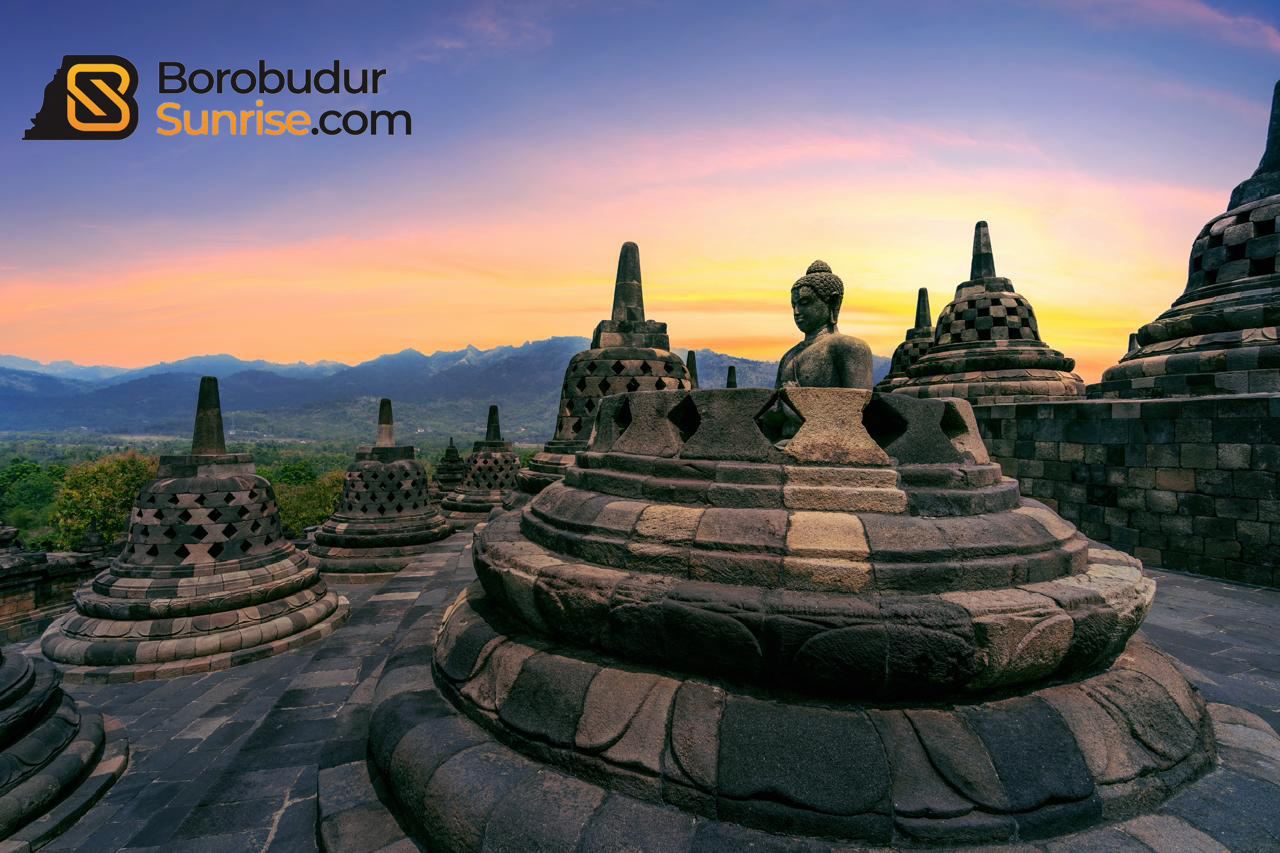
Standing as the world’s largest Buddhist temple and one of Southeast Asia’s most magnificent ancient monuments, Borobudur Temple draws travellers from across the globe. If you’re based in Singapore or planning to visit from there, you might be wondering about the best way to reach this UNESCO World Heritage Site in Central Java, Indonesia.
The good news? You have options. The most practical route for most travellers involves flying from Singapore to Yogyakarta, then making the short journey to Borobudur. But for the adventurous souls out there, there’s also an epic overland route combining ferries, ships, and trains that takes you through the heart of Indonesia. Both journeys have their own appeal, and by the end of this guide, you’ll know exactly which one suits your travel style.
Before we continue to the main topics, please contact us if you need tours in Yogyakarta City or Java Island. We have an excellent review by Trip Advisor or by Viator. You may check our tour package in this link : Yogyakarta Tour or MountBromoIjen.com. You could also contact us via email at [email protected] or just simply contact us by pressing the whatsapp button in the right corner.
Route 1: Singapore to Borobudur By Flight (Recommended for Most Travellers)
For travellers who value time and convenience, flying from Singapore to Yogyakarta is the clear winner. This route gets you from Singapore’s urban jungle to the ancient wonders of Borobudur in less than a day, with minimal hassle.
Singapore to Yogyakarta Flight Details, then Yogyakarta to Borobudur

As of 2026, Scoot operates direct flights from Singapore Changi Airport (SIN) to Yogyakarta International Airport (YIA). According to flight data, Scoot currently offers flights on this route with departure times varying between 07:50 and 15:40, and the flight takes approximately 2 hours and 30 to 45 minutes.
The flight numbers are TR200 and TR236, operating from Terminal 1 at Changi Airport. Scoot provides a 10kg cabin baggage allowance, which is 3kg more than most low cost carriers. The distance covered is about 769 miles (1,230 kilometers).
Flight prices vary depending on when you book and travel season. According to various booking platforms, expect to pay anywhere from SGD 150 to SGD 400 for a one way economy ticket, with the best prices typically found during Scoot’s promotional campaigns.
Pro tip: Register your email with Scoot to be notified of their latest promos. May is generally the cheapest month to fly this route, while September tends to be more expensive. Check in counters open 3 hours before all flights to Yogyakarta and close 60 minutes before scheduled departure with no exceptions, so arrive early to avoid any last minute stress.
If the direct flight from Singapore to Borobudur (Yogyakarta) has been sold out, you could find a flight that transit at Jakarta Airport, then continue your journey to Yogyakarta City by another flight or by Train from Gambir Station. The other transit option could be Bali Airport or Surabaya Airport.
If you transit in Jakarta or Bali Airport, you can continue your journey to Yogyakarta by flight. But from Surabaya Airport, you could only continue the journey by taking a 4 hours train from Gubeng Train Station.
Option 1: Airport to Yogyakarta City Center, Then to Borobudur in the Next Day
This option works well if you want to explore Yogyakarta city first, stay overnight in the city, and then visit Borobudur the next day. It’s ideal for travelers who want to experience Malioboro Street shopping, try Jogja’s famous gudeg, and see the Sultan’s Palace before heading to Borobudur.
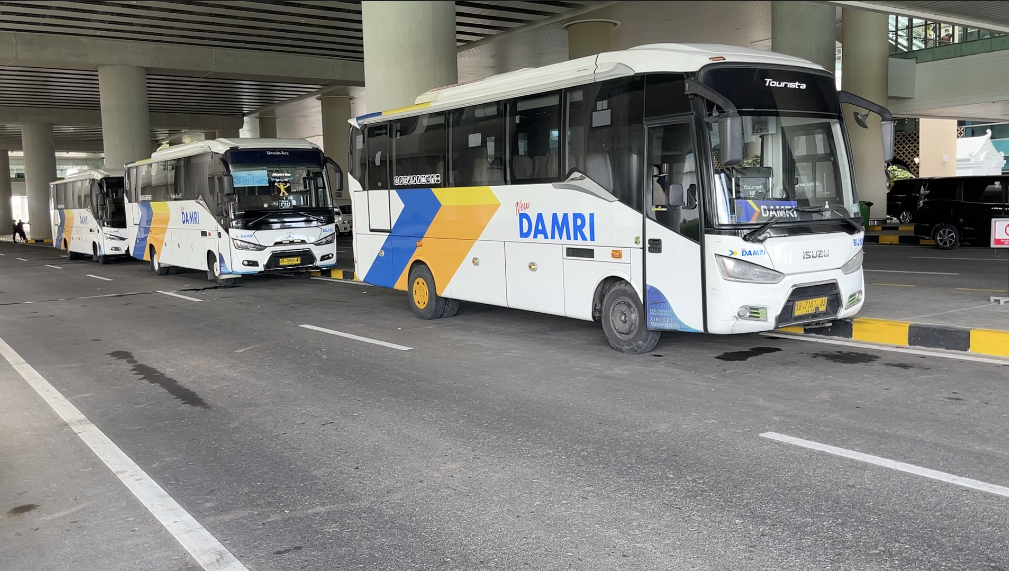
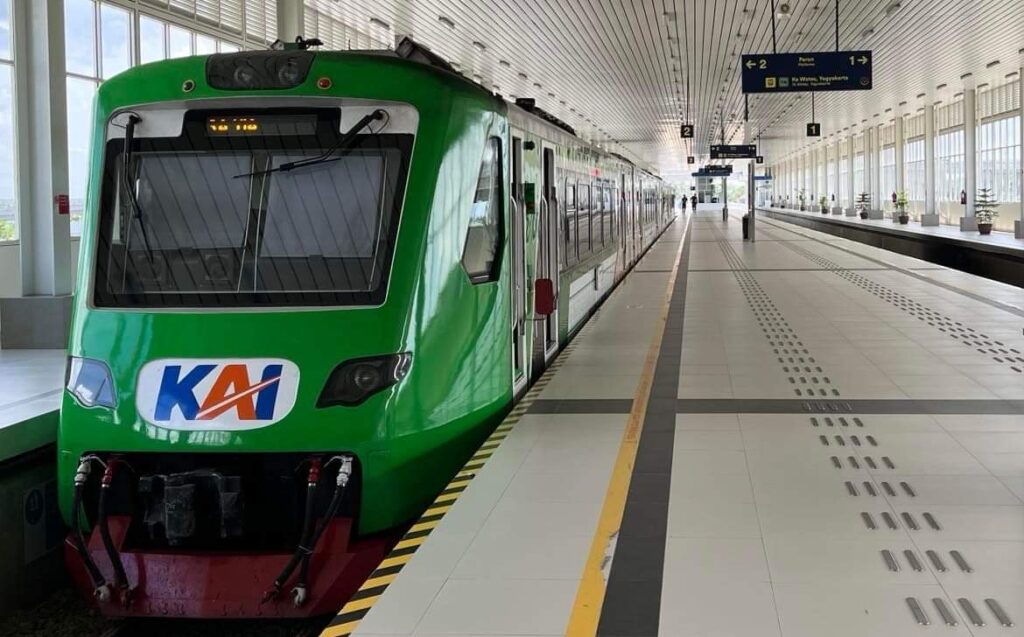
Yogyakarta International Airport (YIA) is located about 45 kilometers from the city center. You have several transportation options. The Damri Airport Bus is the most budget friendly option. Damri buses run from the airport to multiple locations in Yogyakarta including Malioboro area and Yogyakarta Station. The journey takes about 1 to 1.5 hours depending on traffic and costs around 35,000 to 50,000 IDR per person. Buses typically run from early morning until late evening. Yogyakarta Airport Train is also available as another affordable option.
Grab or Gojek, Indonesia’s ride sharing apps, work well from the airport. A Grab or Gojek car to central Yogyakarta costs approximately 150,000 to 200,000 IDR depending on traffic and time of day. The ride takes about 50 to 70 minutes. Book through the apps before leaving the airport for the best prices.
Many hotels and tour operators offer private airport pickup. This costs around 250,000 to 400,000 IDR for a private car, but offers the convenience of door to door service with no waiting.
The Malioboro area is the most popular choice for tourists. You’ll be in the heart of the action with easy access to shopping, restaurants, and attractions. Budget hostels start around 100,000 IDR per night, mid range hotels around 300,000 to 600,000 IDR, and upscale options from 800,000 IDR and up.
The next morning, you’ll head to Borobudur Temple, about 40 kilometers northwest of Yogyakarta. For the best experience, we highly recommend booking a Borobudur Sunrise tour package. This gets you to the temple before the crowds and lets you watch the sun rise over the ancient stupas and surrounding mountains, creating an absolutely magical atmosphere.
If sunrise isn’t your thing, a regular Borobudur and Prambanan tour lets you see two UNESCO World Heritage Sites in one day at a more relaxed pace.
For detailed information about getting from Yogyakarta city to Borobudur Temple, including all transportation options, check out our comprehensive guide at this article.
Option 2: Airport Directly to Borobudur (Skip Yogyakarta City)
This option is perfect if you want to maximize your time at Borobudur and prefer staying in the quieter Borobudur area rather than busy Yogyakarta city. It’s especially good for travelers on tight schedules or those seeking a more peaceful, temple focused experience.
Since there’s no public transport running directly from YIA to Borobudur, you’ll need to arrange private transportation. Expect to pay around 400,000 to 600,000 IDR for a private car from YIA directly to Borobudur. The journey takes approximately 1.5 to 2 hours depending on traffic. Many drivers are happy to stop at viewpoints or local restaurants along the way if you ask.
The smartest option is booking a tour package that includes airport pickup, accommodation near Borobudur, and the temple visit. Borobudur Sunrise packages often include airport transfer, so you don’t need to worry about arranging separate transport.
Several excellent hotels and guesthouses sit within walking distance or a short drive from Borobudur Temple. Staying here means you can visit the temple multiple times, explore the surrounding villages, and experience rural Java life. Popular options include Manohara Hotel (right next to the temple), Plataran Borobudur (luxury resort with incredible views), and various mid range hotels and homestays in Borobudur village. Prices range from 200,000 IDR for basic homestays to 2,000,000 IDR plus for luxury resorts.
Waking up near Borobudur, watching sunrise at the temple, then spending the day exploring without rushing back to Yogyakarta creates a much more immersive experience. You can visit nearby attractions like Mendut Temple and Pawon Temple, cycle through rice fields, or simply relax with the stunning view of Borobudur from your hotel.
For the complete list of activities around Borobudur, check out our guide to the Top 10 Things to Do in Borobudur.
Route 2: Singapore to Borobudur By Land and Sea (The Adventure and the Backpacker Route)
Now, for the adventurous backpackers and travellers who believe the journey is just as important as the destination, there’s the overland route. This isn’t common, definitely not easy, but absolutely possible and incredibly rewarding for those seeking authentic travel experiences.
This route combines ferry rides, a cargo ship journey, and train travel across Java. It takes significantly longer than flying (anywhere from 3 to 7 days depending on ship schedules and connections), costs roughly the same or slightly less than flying when you factor in accommodation, but offers an experience you’ll remember forever.
Fair warning: this route requires patience, flexibility, and comfort with uncertainty. Ship schedules can change, connections might not be perfect, and you’ll need to be okay with basic facilities. But if that sounds exciting rather than intimidating, read on.
Step 1: Singapore to Batam Island by Ferry
Your adventure begins with a ferry ride from Singapore to Batam Island, Indonesia. This is the easiest part of the journey and takes only about 45 to 50 minutes.
You have two main options in Singapore. HarbourFront Ferry Terminal is located at HarbourFront Centre. This is the most popular departure point with the most ferry operators and schedules. You can reach it via MRT (HarbourFront Station on the North East and Circle Lines) or by bus.
Tanah Merah Ferry Terminal is located in the east of Singapore near Changi Airport. Less crowded than HarbourFront but with fewer departure times. Reachable via MRT (Tanah Merah Station on the East West Line) plus a short shuttle bus.
According to ferry booking sites, there are currently 4 operators sailing routes from Singapore to Batam: Sindo Ferry, Batam Fast, Majestic Fast Ferry, and Horizon Fast Ferry. Between them, there are over 100 daily departures, so finding a convenient time is easy.
As of 2026, prices typically fall between 43 SGD and 76 SGD for a one way adult ticket. This usually includes the ferry fare plus terminal fees. Book online in advance through platforms like Sindo Ferry, Batam Fast, or booking aggregators. Weekday ferries are sometimes cheaper than weekend ferries. Avoid peak holiday periods when prices spike.
The first ferries typically depart around 08:15 AM, and the last ferries leave around 20:45, giving you flexibility in planning your departure.
Ferries arrive at different ports in Batam: Batam Centre, Sekupang, Nongsapura, or Harbor Bay depending on your ferry operator and route. For connecting to the Pelni ship, Sekupang Port is most commonly used, though this can vary. Check with your ferry operator about which port your ferry uses.
Singaporeans and many other nationalities can enter Indonesia visa free or get visa on arrival. Check current visa requirements for your nationality before traveling. Have your passport ready (minimum 6 months validity) and any required documents.
Step 2: Batam to Jakarta via Pelni Ship
This is where the adventure really begins. Pelni (Pelayaran Nasional Indonesia) is Indonesia’s state owned passenger ship company that operates large ships connecting islands across the archipelago. These aren’t cruise ships. They’re working vessels that carry cargo and passengers, and they offer a genuine Indonesian travel experience.
Important note: As of 2026, Pelni ship schedules and routes can change. Always check the latest schedule at Pelni’s official website or at the Pelni office in Batam before finalizing your plans. There is service from Batam to Jakarta’s Tanjung Priok Port, but frequencies and exact ships vary.
Pelni tickets can be purchased online through their website, at Pelni offices, or through travel agents. For this particular route, it’s wise to book ahead, especially if you want a cabin rather than just deck space.
Pelni ships have different classes. Economy Class offers shared deck space with mats. The cheapest option (usually 200,000 to 400,000 IDR) but least comfortable. Class 2 and Class 3 provide bunk beds in shared cabins, more comfortable than economy deck. Class 1 offers better cabins with fewer people sharing. More expensive (can be 600,000 to 1,000,000 IDR or more) but much more comfortable for the multi day journey.
The journey from Batam to Tanjung Priok (Jakarta’s port) typically takes 24 to 48 hours depending on the specific ship, route, and stops along the way. Some ships make multiple stops at other islands.
What to bring: plenty of food and snacks (ship food is basic), water bottles (refill from ship’s water supplies), seasickness medication if you’re prone to it, entertainment (books, downloaded movies, music), small towel and toiletries, light jacket (it gets cool at night on deck), and patience with a sense of humor.
This leg of the journey is not about comfort. It’s about experiencing how millions of Indonesians actually travel between islands. You’ll meet locals, share meals, watch sunsets over the Java Sea, and collect stories worth telling.
Step 3: Tanjung Priok Port to Gambir Station (Jakarta)
When your ship docks at Tanjung Priok Port in North Jakarta, you’ll need to make your way to Gambir Station in Central Jakarta to catch your train to Yogyakarta.
The most straightforward option is taking a taxi or Grab. A taxi or Grab from Tanjung Priok Port to Gambir Station costs around 100,000 to 150,000 IDR and takes 30 to 60 minutes depending on Jakarta’s notorious traffic. Always use official taxis or ride sharing apps for safety and fair pricing.
For the truly budget conscious, you can take a combination of public buses or use Jakarta’s TransJakarta bus system. This is cheap (under 10,000 IDR) but time consuming and complicated if you’re unfamiliar with Jakarta’s public transport.
Jakarta traffic is terrible, especially during rush hours (7:00 to 10:00 AM and 4:00 to 8:00 PM). If your ship arrives during these times and your train departs soon after, give yourself extra time. Missing your train means rebooking and potentially losing your ticket cost.
If you have several hours between arrival and your train departure, consider storing your luggage at Gambir Station (there are luggage storage services) and exploring nearby attractions like the National Monument (Monas) or grabbing a meal in Central Jakarta.
Step 4: Jakarta to Yogyakarta by Train
Now you’re on the final leg of your overland journey. The train from Jakarta to Yogyakarta is actually one of the more comfortable and enjoyable parts of this whole adventure.
Several trains run daily between Jakarta (Gambir Station) and Yogyakarta (Yogyakarta Station). The journey takes approximately 7 to 8 hours for executive class trains. Popular trains include Argo Dwipangga (departs morning, arrives afternoon), Taksaka (departs morning or evening options), and Bima (night train option).
Book tickets online through KAI Access app (official Indonesian railway app) or websites like Traveloka. Tickets can sell out, especially on weekends and holidays, so book as far in advance as possible.
Executive Class tickets cost 300,000 to 450,000 IDR. Business Class tickets cost 250,000 to 350,000 IDR. Economy Class tickets cost 150,000 to 200,000 IDR. Executive class is worth it for the comfort, air conditioning, reclining seats, and included meals.
For a complete detailed guide about train travel from Jakarta to Yogyakarta, including all train options, booking instructions, and what to expect, read our comprehensive article at Borobudur Sunrise.
Indonesian trains, especially executive class, are clean, comfortable, and safe. You’ll pass through beautiful Javanese countryside, rice fields, small towns, and mountains. Food vendors walk through carriages selling snacks and drinks, and meals are served to executive class passengers. The train is air conditioned (sometimes very cold, bring a light jacket), has toilets, and power outlets for charging devices.
Step 5: Yogyakarta to Borobudur Temple
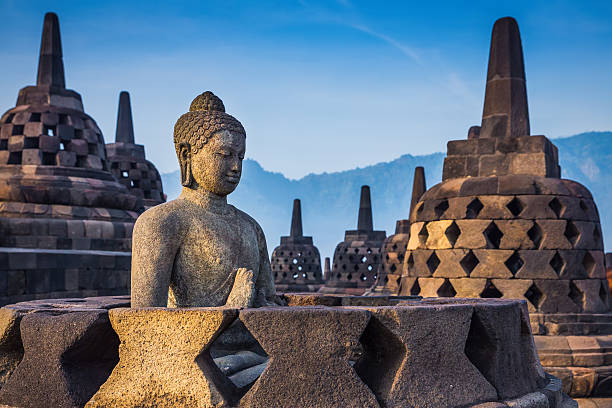
You’ve made it to Yogyakarta! Your train will arrive at Yogyakarta Station, which conveniently sits at the northern end of famous Malioboro Street. From here, you’re only about 40 kilometers from Borobudur Temple.
For detailed information about all your options for getting from Yogyakarta to Borobudur, check out our complete guide at this article.
Your options include organized tours (easiest option after your long journey), private car with driver for the day (around 600,000 IDR), public bus (cheapest option at around 40,000 IDR but less comfortable), or renting a scooter for experienced riders (70,000 to 100,000 IDR per day).
After your multi day adventure through Indonesia, you might appreciate the comfort of an organized tour or private car rather than navigating public buses.
Things to Do Around Borobudur Temple
You’ve traveled all this way, whether by quick flight or epic overland journey. Now it’s time to truly experience Borobudur and the surrounding area.
Borobudur Temple itself deserves at least a few hours. The massive 9th century Buddhist monument consists of nine stacked platforms topped by a central dome, surrounded by 2,672 relief panels and 504 Buddha statues. Walking the galleries and contemplating the ancient stone carvings is a profound experience.
But there’s much more to do here than just visiting the main temple. The area around Borobudur offers incredible experiences from sunrise viewpoints to village cycling tours to authentic Javanese cultural performances.
For the complete list of activities, attractions, and experiences available in Borobudur, read our detailed guide: Top 10 Things to Do or Activities in Borobudur.
Quick highlights include watching sunrise from nearby hills overlooking Borobudur, visiting Mendut and Pawon temples, cycling through rice fields and traditional villages, trying Javanese pottery making, exploring local markets, learning about batik making, and tasting traditional Javanese cuisine.
Comparing the Two Routes from Singapore to Borobudur
Let’s break down the pros and cons of each route to help you decide which one fits your travel style.
Flying (Route 1) offers several advantages. It’s fast with total travel time under 5 hours including ground transport. It’s predictable and reliable. It’s comfortable. It’s good for travellers with limited time. It’s easy to book and plan. The downsides are that it’s more expensive (though not hugely), less adventurous, you miss seeing Indonesia beyond tourist areas, and it’s a standard travel experience. This route is best for normal travellers, families, anyone on a schedule, first time visitors to Indonesia, and travellers prioritizing comfort and efficiency.
Overland via Ferry and Ship (Route 2) has its own set of pros and cons. It’s incredibly adventurous and memorable. You see authentic Indonesian life. You meet locals and fellow travellers. You get unique stories to tell. It has a lower carbon footprint. It’s potentially cheaper (though time is money). The downsides are that it’s time consuming (3 to 7 days minimum), requires patience and flexibility, can be physically uncomfortable at times, ship schedules can change, needs more planning and coordination, and offers basic facilities on ships. This route is best for backpackers, adventure travellers, people with time to spare, those seeking authentic experiences over comfort, and travellers who love unconventional routes.
Practical Tips for Your Journey from Singapore to Borobudur
Most nationalities can enter Indonesia visa free for 30 days or get visa on arrival for 60 days (500,000 IDR). Check current requirements for your specific passport before traveling. Singapore passport holders enjoy visa free access.
The dry season (April to October) is best for Borobudur. Less rain means clearer sunrise views and more comfortable temple exploration. The wet season (November to March) sees afternoon rain storms and sometimes closes parts of the temple for safety.
Indonesian Rupiah (IDR) is the local currency. ATMs are widely available in Yogyakarta but limited near Borobudur itself. Bring enough cash for your Borobudur area expenses. Major credit cards work in hotels and tour agencies but not for street food or small shops.
Exchange rates vary but expect roughly 1 SGD equals 11,000 to 12,000 IDR, and 1 USD equals 15,000 to 16,000 IDR.
Pack comfortable walking shoes, light and breathable clothing, sunscreen and hat, insect repellent, water bottle, camera with extra batteries, any medications you need, cash in Indonesian Rupiah. For overland travelers, add extra patience and sense of humor.
Indonesian SIM cards are cheap and easy to get. Major providers include Telkomsel, XL, and Indosat. A tourist SIM with data costs around 50,000 to 100,000 IDR at the airport or convenience stores. Wifi is available at most hotels and cafes.
Indonesia is generally safe for travelers. Use common sense: don’t flash expensive items, watch your belongings in crowded areas, use official transportation, and trust your instincts. Solo travelers including women generally have positive experiences, though always stay aware of your surroundings.
Final Thoughts about How to Go from Singapore to Borobudur
The journey from Singapore to Borobudur represents two completely different travel philosophies, both equally valid. Flying gets you there quickly and comfortably, perfect for maximizing time at your destination. The overland route turns the journey itself into the adventure, offering authentic experiences money can’t buy.
Whichever route you choose, Borobudur itself remains unchanged. Ancient stone stupas rising from the Javanese landscape, waiting to share their thousand year old story with you. After traveling from Singapore’s modern skyscrapers, whether by quick flight or epic overland journey, standing before Borobudur as the sun rises creates a powerful contrast between old and new, fast and slow, East and West.
Read also : Borobudur Ticket Price
Read also : Ramayana Ballet Prambanan
Read also : Borobudur Sunrise Tour Package
Read also : Prambanan Ticket Price